
Before You Start Any Home Improvement Project: A Planning Checklist

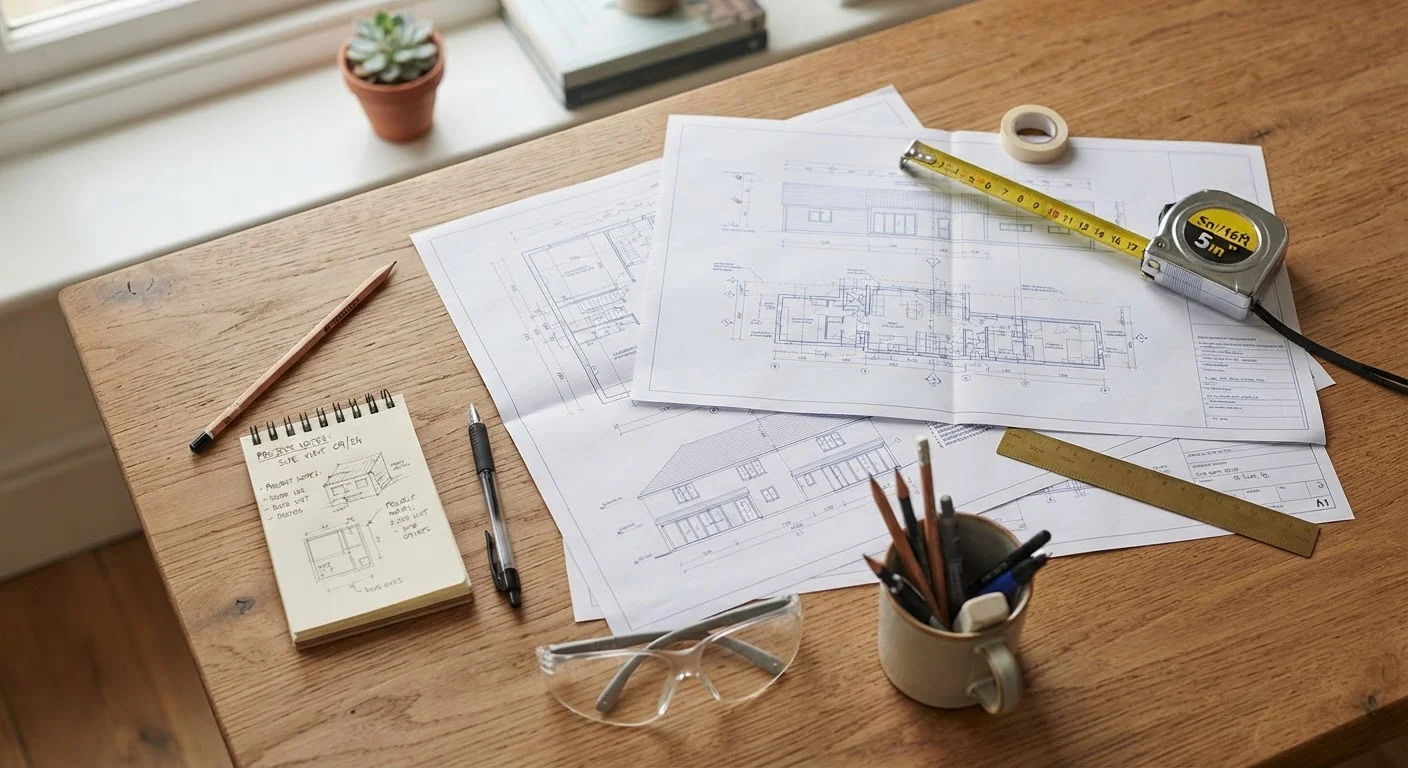
Photo: DockedReads.com | Information Made Easy editorial
Key Takeaways
- Define the project scope in writing before spending anything — vague goals lead to expensive scope creep.
- Many home improvement projects legally require permits; skipping them can affect insurance and resale value.
- A contingency buffer of 10–20% above your estimated budget is a practical standard, not optional padding.
- Hiring licensed contractors requires verification steps that protect you legally and financially.
- Safety planning — including utility locates and PPE — should happen before tools come out.
Why Pre-Project Planning Prevents the Biggest Mistakes
Most home improvement projects don't go wrong during construction — they go wrong weeks earlier, when someone skipped the planning stage. An undefined scope, an underestimated budget, or an overlooked permit requirement can turn a straightforward weekend project into a months-long ordeal. This checklist is designed to surface those issues before they become problems.
Work through each group below before purchasing materials or scheduling labor. For a broader look at how this fits into a full renovation, see the complete end-to-end renovation resource. If this is your first time tackling a project, the beginner's guide to home improvement is a useful companion read.
Scope Definition
Budget and Financing
Permits and Code Compliance
Contractor Vetting
Safety and Site Preparation
Tools and Resources You'll Need for the Planning Phase
Before diving into the checklist items themselves, gather the resources that make planning accurate. Guessing at measurements, costs, or code requirements is where projects begin to slip.
Measuring tape and laser measure
Accurate dimensions are essential for material estimates, layout planning, and contractor communication.
Graph paper or free floor-plan app
Sketch the project area to scale so you can plan spatial changes and communicate them clearly.
Spreadsheet or budgeting app
Track estimated versus actual costs across all line items throughout the project.
Local building department contact
Verify permit requirements and code compliance specifics for your municipality before work begins.
State contractor licensing board lookup
Verify that any contractor you hire holds a valid, current license for the type of work being performed.
Project notebook or binder
Keep permits, contracts, receipts, product spec sheets, and inspection records in one organized place.
Budget and Permits: The Two Areas Most Often Underestimated
Budget overruns and permit problems are the two most common reasons home projects stall or become liabilities. On the budget side, industry guidance consistently points to building in a 10–20% contingency on top of your baseline estimate — not because contractors are unreliable, but because hidden conditions (old wiring behind a wall, unexpected rot, non-standard framing) are genuinely common in existing homes. For general strategies on tracking and managing that spending, the Budgeting Basics hub offers useful frameworks.
Unpermitted Work Can Create Serious Problems
On permits: whether a project needs one depends on your municipality, the type of work, and sometimes the dollar value of the job. Electrical, plumbing, structural, and HVAC work almost always require permits in the US. Cosmetic updates typically don't — but the line isn't always obvious. Our detailed guide on permits, inspections, and when you legally need them walks through the specifics. Always verify requirements with your local building department before starting work.
Homes Built Before 1978: Test Before You Disturb
Before You Hand Over Any Money
Whether you're hiring a general contractor or a specialist trade, due diligence protects you. Verify license and insurance status with your state's contractor licensing board — not just the contractor's word. Get at least two or three written, itemized bids on the same scope of work so you can compare like for like. A signed, detailed contract covering scope, schedule, payment milestones, and change-order procedures is non-negotiable for any project of meaningful scale.
Planning ahead pays off in other areas of homeownership too. If your project involves leaving the home unoccupied during work, the habits in this pre-travel home security checklist translate directly. And if financing the project is part of your plan, review your overall financial footing using resources like the pre-budget planning checklist before taking on new debt or drawing on savings.
This article provides general home improvement planning information for educational purposes only. Always verify permit requirements, contractor licensing, and code compliance with your local authorities before beginning any project. For electrical, gas, structural, or other hazardous work, consult a licensed professional.
The content on this site is for informational purposes only and is not a substitute for professional advice. Always consult a qualified professional for guidance specific to your situation.