
Budgeting Basics

Before You Build Your Budget: A Pre-Planning Checklist

Before You Build Your Budget: A Pre-Planning Checklist

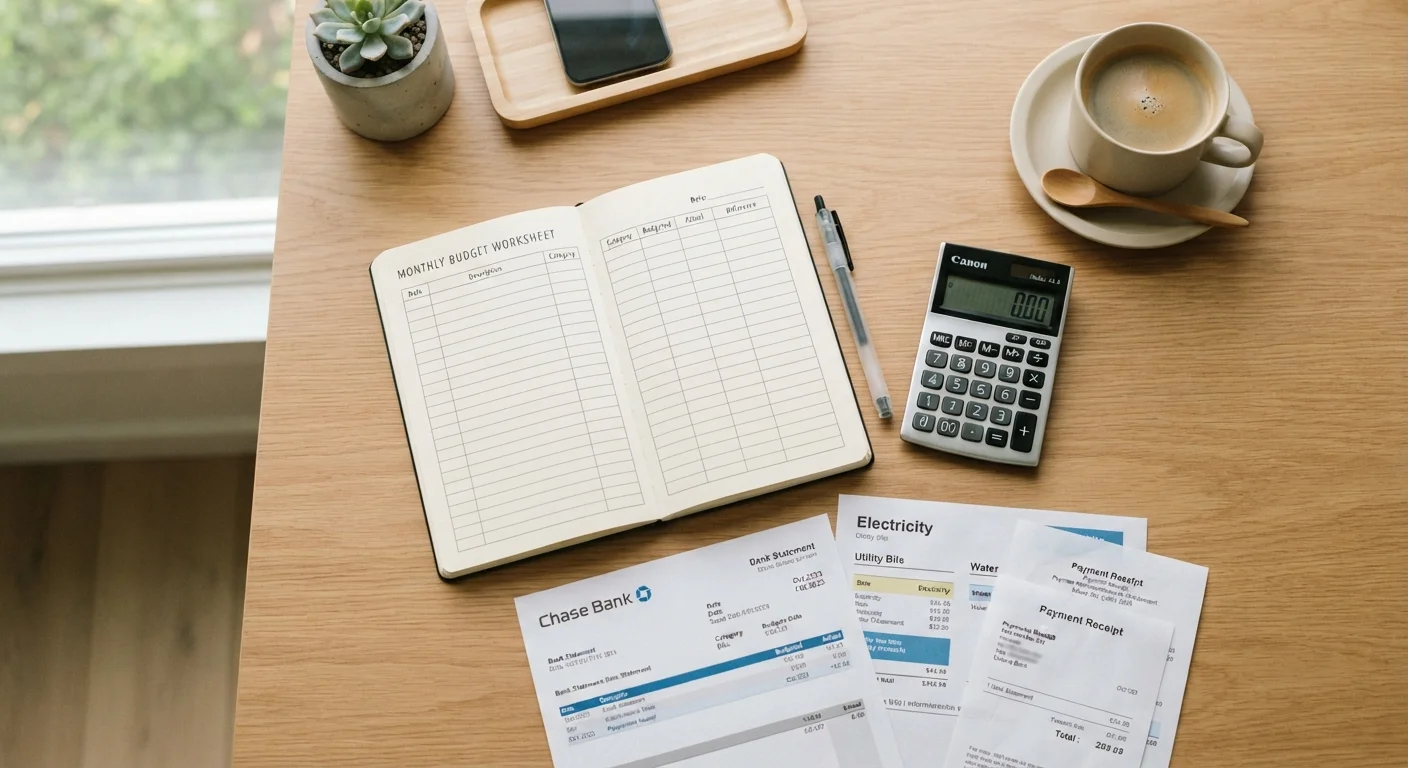
Photo: DockedReads.com | Information Made Easy editorial

Gather these numbers, documents, and decisions before sitting down to budget—so you're not starting over halfway through.

Key Takeaways

  • Gathering your income and expense data before budgeting prevents mid-session gaps that derail the process.
  • Knowing your fixed versus variable expenses is essential groundwork before any budget method will work.
  • Defining one or two clear financial goals gives your budget direction and makes trade-offs easier to accept.
  • Understanding your current debt obligations helps you allocate repayment realistically from the start.
  • A pre-planning session of 20–45 minutes can dramatically improve the accuracy of your first budget draft.

Why Pre-Planning Matters More Than the Budget Itself

Most budgets fail not because the math is wrong, but because the inputs are incomplete. People sit down to budget with vague income figures, forgotten subscriptions, and no clear sense of what they actually owe. The result is a plan that looks good on paper but collapses when reality arrives mid-month.

This checklist is designed to fix that. Work through it before you open a spreadsheet or app, and you'll enter the budgeting process with the raw material you actually need. Think of it as mise en place for your finances — getting everything in order so the work flows smoothly.

Once you've completed this checklist, you'll be ready to move into a full budgeting framework. Our complete personal budgeting guide walks through every stage, from foundational concepts to building a lasting habit.

Required

Recent pay stubs or income records

Used to confirm your actual take-home income, including any deductions already made at source.

Required

Last 2–3 months of bank statements

Reveals real spending patterns across fixed and variable categories, including forgotten recurring charges.

Required

Credit card statements

Identifies revolving balances, interest rates, and any purchases that don't appear in your bank feed.

Required

Loan and debt statements

Provides exact balances, minimum payments, and interest rates for all outstanding debts.

Required

Notebook or digital document

Used to record findings from this checklist so you enter budgeting with organised, consolidated notes.

Optional

Budgeting app or spreadsheet (optional at this stage)

Can be used to draft initial categories, though completing this checklist first makes data entry faster.

What to Gather and Decide Before You Start

The checklist below is divided into four logical stages: confirming your income, cataloguing your expenses, understanding your debts, and clarifying your goals. Move through each group in order — later groups depend on what you surface in earlier ones.

Income Clarity

Write down your net (take-home) monthly income from all primary employment sources, after taxes and deductions. Must
List any secondary or irregular income — freelance, rental, side work — and calculate a conservative monthly average based on the past six months. Must
Note whether your income is consistent each month or varies, so you can decide whether to budget from an average or from your lowest expected month. Must
Confirm whether any automatic contributions (retirement plan, health savings) are already deducted from your paycheck before it hits your account. Should

Fixed Expenses

List every expense that is the same amount each month — rent or mortgage, car payment, insurance premiums, and loan minimums. Must
Check each fixed expense against your bank statement to confirm the actual amount rather than relying on memory. Must
Identify any fixed expenses billed annually or quarterly and divide them into a monthly equivalent so they appear in your budget. Should

Variable and Irregular Expenses

Review two to three months of bank and credit card statements to identify all recurring variable spending categories (groceries, dining, fuel, utilities). Must
Calculate a monthly average for each variable category rather than guessing — actual numbers prevent chronic underestimation. Must
List irregular but predictable expenses — vehicle registration, annual subscriptions, seasonal costs — and assign a monthly savings amount to each. Should
Flag any subscription services and verify whether you're actively using each one before including them in your ongoing budget. Should
Add a miscellaneous or buffer category representing roughly 5–10% of your variable spending to account for expenses you didn't anticipate. Nice to have

Debt Inventory

List every debt you currently carry: credit cards, personal loans, student loans, auto loans, and any money owed to individuals. Must
Record the current balance, interest rate (APR), and minimum monthly payment for each debt. Must
Note which debts have variable interest rates, as their required payments may change over time. Should
Decide in advance whether your budget will include only minimum payments or an accelerated repayment amount — this affects how much discretionary income you have. Should

Goals and Priorities

Write down one to three specific financial goals — such as building a three-month emergency fund, paying off a credit card, or saving for a trip — that your budget should actively support. Must
Assign a rough timeline and target dollar amount to each goal so you can calculate how much to set aside each month. Must
Decide whether you'll treat savings as a fixed line item paid first or as whatever is left at the end of the month — the former approach tends to produce better outcomes for most people. Should
If planning for a specific event with its own budget (a vacation, a renovation), flag it now so it gets its own savings category rather than competing with everyday spending. Nice to have

Don't Rely on Memory for Spending Numbers

Research on consumer spending consistently shows that people underestimate their actual expenditure — sometimes significantly — when recalling from memory rather than reviewing records. For this checklist to work, use your real statements. Even one month of data is more reliable than your best guess about what you spend on groceries or dining out.

A note on subscriptions: recurring digital charges are among the most commonly missed budget line items. Before finalising your expense list, review your bank and credit card statements for the past two to three months. You may find recurring charges for services you've forgotten about or no longer use. Our article on evaluating subscription software costs can help you think through which recurring plans are worth keeping.

If your pre-planning surfaces debt you weren't fully accounting for, the Saving & Debt hub offers approachable guidance on managing both alongside a budget.

This article is for general informational and educational purposes only and does not constitute personalised financial, tax, or legal advice. Consult a qualified financial professional for guidance specific to your situation.

Money & Finance Editorial Team

DockedReads.com | Information Made Easy

Money & Finance Editorial Team is the collective byline for our editorial team and contributor network. Articles published under this byline or an editorial pen name are researched, written, and reviewed according to our editorial standards for clarity, consistency, and independence before publication.

Budgeting BasicsSaving & DebtEveryday Investing
View author profile

The content on this site is for informational purposes only and is not a substitute for professional advice. Always consult a qualified professional for guidance specific to your situation.