
Why Skipping Routine Maintenance Usually Costs More in the End

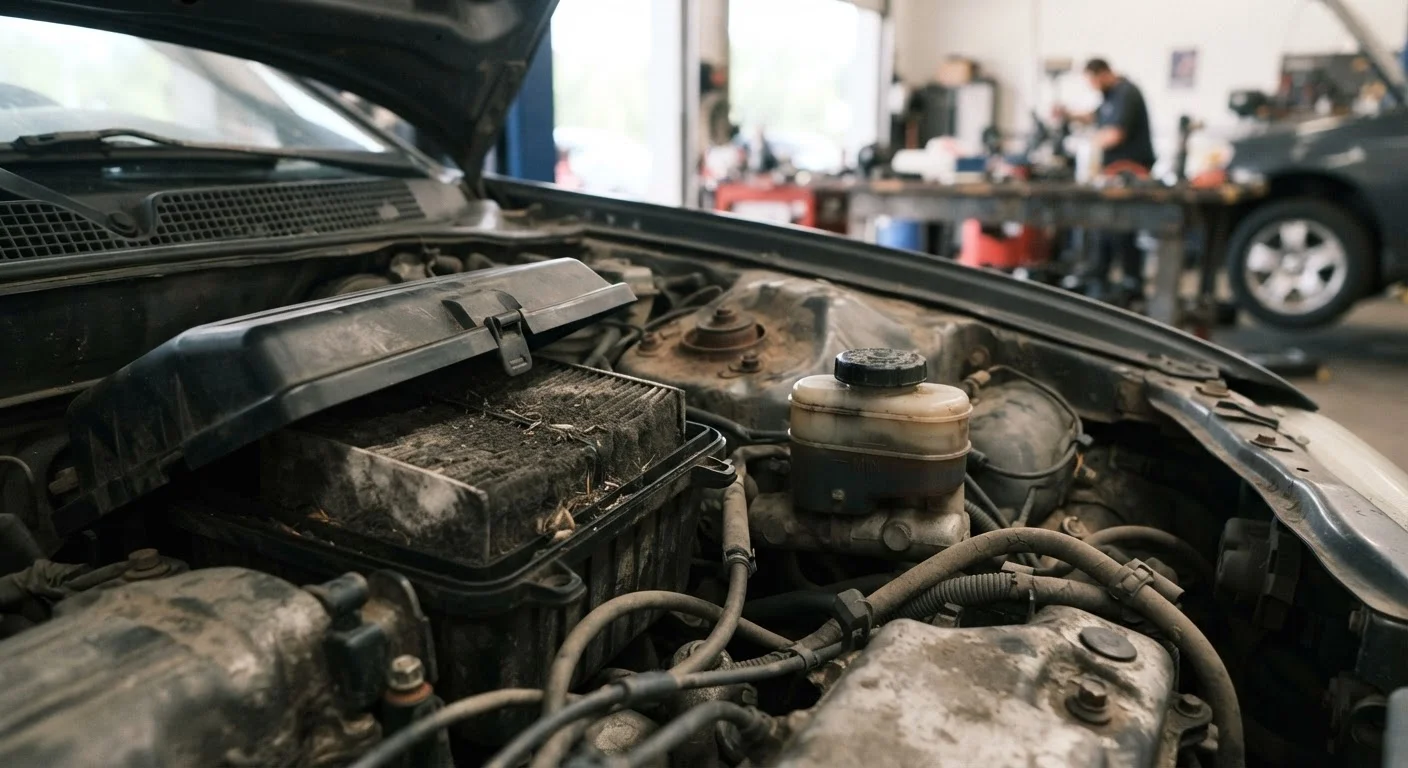
Photo: DockedReads.com | Information Made Easy editorial
Key Takeaways
- Deferred maintenance rarely saves money — it typically shifts costs to larger, more expensive repairs later.
- Many catastrophic failures, such as engine seizure, begin as inexpensive, easily corrected issues.
- Following your vehicle's manufacturer-recommended service intervals is the most cost-effective maintenance strategy.
- Recognizing the early warning signs of wear allows drivers to act before minor problems compound.
The True Cost of Putting Off Service
Delaying a scheduled oil change or skipping a tire rotation can feel like a reasonable short-term savings. In practice, deferred maintenance creates a compounding effect — one neglected system stresses adjacent components, and the repair bill that eventually arrives reflects multiple failures, not just one.
Consider engine oil. Fresh oil lubricates, cools, and cleans internal engine components. As it degrades, it thickens with contaminants and loses viscosity. Metal surfaces that should glide begin to grind. What starts as a $60–$100 oil change, if ignored long enough, can escalate to thousands in engine damage. The money was never actually saved — it was deferred with interest.
The same logic applies across virtually every vehicle system. Coolant that hasn't been flushed on schedule becomes acidic and corrodes hoses, the radiator, and the water pump. Brake fluid that absorbs moisture lowers the boiling point of the braking system, introducing fade risk and internal corrosion. In each case, the service interval exists precisely because the component's useful window has a mechanical limit.
~$1,200
Average engine repair cost vs. ~$80 oil change
Industry repair data consistently shows that internal engine work costs orders of magnitude more than the routine service that prevents it.
35%
Of roadside breakdowns linked to maintenance neglect
Studies by automotive roadside assistance organizations have attributed roughly a third of non-collision breakdowns to skipped or overdue maintenance items.
Common Maintenance Mistakes and How to Avoid Them
Most drivers don't skip maintenance out of carelessness — they do it because the consequences aren't immediately visible and competing financial demands feel more urgent. Understanding where deferral most commonly happens, and why, is the first step toward breaking the cycle.
Ignoring oil change intervals because the engine appears to be running normally.
Delaying tire rotation and alignment checks to save time or money.
Skipping coolant flushes because the temperature gauge reads normal.
Putting off brake service because stopping distance hasn't noticeably changed.
Neglecting the cabin and engine air filters because they're 'not mechanical' components.
If you're weighing which tasks to handle yourself versus delegating to a professional, our guide to DIY car maintenance vs. professional service lays out the practical limits of each approach. It's also worth reviewing common car maintenance myths — some widely held beliefs about service intervals and fluid changes can inadvertently lead to under-servicing your vehicle.
Warning Lights Are Not a Maintenance Schedule
The content on this site is for informational purposes only and is not a substitute for professional advice. Always consult a qualified professional for guidance specific to your situation.