
Underrated Corners of the Mediterranean That Rarely Make Travel Lists

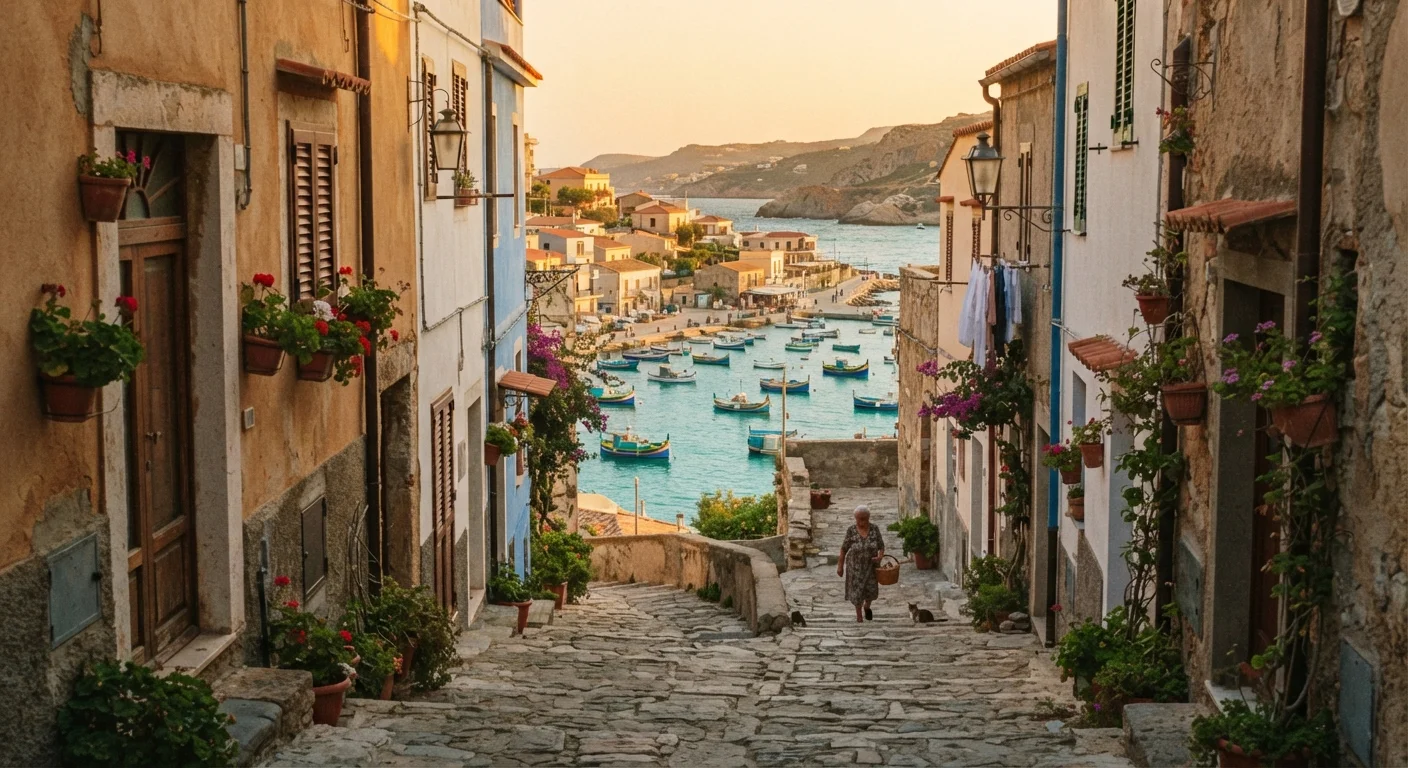
Photo: DockedReads.com | Information Made Easy editorial
Key Takeaways
- Several Mediterranean destinations offer genuine depth and beauty with far lighter tourist crowds than famous counterparts.
- Albanian, Sardinian, and Maltese inland areas are among the most consistently underappreciated corners of the sea.
- Researching a destination's interior—not just its coast—often reveals the most culturally rich experiences.
- Practical logistics like ferry access, local transport, and seasonal rhythms vary significantly in these lesser-known spots.
- Independent travellers willing to plan carefully and verify entry requirements can access places that feel genuinely off the map.
The Mediterranean Beyond the Obvious
The Mediterranean basin holds an extraordinary range of human history, landscape, and cuisine compressed into a relatively compact geography. Yet most North American travellers spend their time in the same handful of destinations — the Amalfi Coast, Santorini, Barcelona, the French Riviera — places that are undeniably beautiful but also heavily trafficked, increasingly expensive, and often difficult to experience at a human pace.
What gets overlooked is remarkable. Within a short flight or ferry ride of those headliners, there are medieval hill towns in Sicily's interior that see almost no international visitors, Albanian riviera villages with clear water and local seafood restaurants that don't yet have English menus, and Maltese archipelago islands where the most historically layered sites are also the quietest. These aren't hidden gems in the clickbait sense — they're legitimate destinations with their own infrastructure, culture, and rewards. They simply require a bit more intentionality to plan. If you're travelling solo or for the first time, it helps to work through a solid pre-booking checklist before committing to anywhere off the standard path.
The list below draws on each destination's actual character — the kind of place it is, what it genuinely offers, and what a curious traveller should know before going.
The Albanian Riviera
Albania's southern coastline — stretching roughly from Vlorë down to Sarandë near the Greek border — is one of the most startling surprises in the entire Mediterranean. The water is genuinely clear, the beaches are not yet built over with resort infrastructure, and the food, particularly fresh seafood and grilled byrek (a flaky pastry filled with cheese or spinach), is excellent and inexpensive by any regional standard.
Sarandë itself is a small city with ferry connections to Corfu, and towns like Himara and Borsh remain remarkably quiet even in summer. Albania joined the currency union with the lek, though euros are widely accepted in tourist areas. Visitors should verify current visa and entry requirements through official sources, as these can shift. The road infrastructure along the riviera has improved considerably in recent years but still demands attentive driving, particularly on mountain switchbacks.
Albania's riviera offers clear water and authentic hospitality with almost none of the resort-coast crowds.
Matera and the Basilicata Interior, Italy
Matera in Italy's Basilicata region gained some international attention after serving as a film location, but it remains far less visited than the Amalfi towns or Rome despite being genuinely one of the most extraordinary urban landscapes in Europe. The city's ancient cave dwellings — the sassi — have been continuously inhabited for millennia and are now a UNESCO World Heritage Site.
What makes Basilicata worth understanding more broadly is that it offers an entirely different Italy from the one most Americans encounter. The region is mountainous, agricultural, and culturally distinct. Local cuisine leans on peppers, pork, and aged cheeses. Getting there typically requires a train to Potenza or Taranto with a bus connection, which filters out travellers unwilling to piece together logistics — and keeps the experience quieter for those who do.
Matera's ancient sassi cave city is among Europe's most remarkable urban landscapes — and still genuinely uncrowded.
Gozo, Malta
Malta draws visitors for its Valletta architecture and clear diving waters, but the smaller sister island of Gozo — reachable by a short ferry from the main island — is where the scale becomes truly human. Gozo's capital, Victoria (also called Rabat), sits on a hill crowned by a Citadel with panoramic views over the whole island. The island's prehistoric temples, including Ggantija, predate Stonehenge and are among the oldest freestanding structures on Earth.
The island is small enough to explore by rental vehicle in a day, but most visitors who arrive find themselves staying longer. Rural farmhouses converted into accommodation offer a quieter alternative to hotel stays, and the local food scene — ftira bread, rabbit stew, fresh lampuki fish — is worth seeking out beyond the tourist restaurants. English is widely spoken, which reduces the logistical friction for first-time visitors.
Gozo's prehistoric temples and hilltop Citadel make it one of the Mediterranean's most historically layered small islands.
The Interior of Sicily
Most visitors to Sicily hug the coastline or stop in Palermo and Taormina without ever venturing into the island's rugged, ancient interior. That interior contains hill towns like Enna, Caltagirone, and Piazza Armerina — the last of which is home to the Villa Romana del Casale, a late-Roman estate with some of the best-preserved floor mosaics in the world.
Inland Sicily operates on a slower rhythm, with afternoon closures observed faithfully and very little accommodation catering specifically to international tourists. That's not a barrier so much as a characteristic — the towns are full-functioning communities where travel feels like observation rather than performance. A car is essentially required for this part of the trip, and the roads through the interior, while scenic, are not always well-signed. Understanding how to orient yourself in unfamiliar territory, as explored in our guide to reading a new destination independently, becomes genuinely useful here.
Sicily's interior holds world-class Roman mosaics and medieval hill towns that most visitors to the island never see.
Kastellorizo, Greece
Greece has hundreds of islands, and the most-visited ones — Mykonos, Santorini, Rhodes — represent only one narrow slice of what the country offers. Kastellorizo (also known as Megisti) is the easternmost Greek island, sitting just off the Turkish coast and reachable primarily by ferry from Rhodes or by small regional flights. Its population is tiny, its harbor is painted in a palette of ochres and pinks, and the Blue Cave — a sea cave accessible by small boat — is genuinely dramatic.
The logistical effort of getting to Kastellorizo is real: ferries are infrequent depending on the season, and accommodation options are limited, so planning ahead matters. But that same effort is what keeps it feeling like an actual place rather than a tourist product. Visitors should check ferry schedules and seasonal availability well before committing to dates, as services can be affected by weather and demand.
Kastellorizo rewards the extra effort of getting there with a harbor village that feels genuinely untouched by mass tourism.
Chefchaouen's Surroundings, Morocco
Chefchaouen — the blue-painted Rif Mountain town in northern Morocco — has become well-known enough that its medina sees heavy foot traffic during peak season. But the surrounding Rif Mountain region, including the smaller villages and trails accessible from the town, remains far less explored. Day hikes into the mountains above the city offer a completely different perspective on the landscape and the region's Berber culture.
Morocco is technically outside the European Mediterranean but sits fully within the basin's cultural and geographic orbit, and the northern coast connects directly to Spain via ferry. For travellers unfamiliar with the country, it helps to go in with realistic expectations — as first-time visitors to Morocco often discover, assumptions shaped by other Mediterranean destinations don't always translate. Verify current entry requirements and any health advisories through official U.S. government sources before travelling.
The mountains above Chefchaouen offer hiking and village culture that most visitors in the blue medina never reach.
How to Approach These Destinations
Lesser-known Mediterranean corners tend to reward a specific kind of traveller: someone comfortable navigating without an English-language tourist infrastructure in place, willing to verify conditions locally, and interested in understanding a place on its own terms rather than against the backdrop of Instagram expectations. That's not a prerequisite — it's simply context for why these destinations are still uncrowded.
Verify Conditions Before You Go
It's also worth noting that "underrated" doesn't mean "undeveloped." Many of these places have solid accommodation options, reliable transport connections, and a well-functioning local economy. The gap between them and the famous spots is often less about quality and more about marketing — and, for travellers, that gap is exactly where the more authentic experience tends to live. Much like reading an unfamiliar city on your own terms, approaching these destinations with curiosity and preparation makes all the difference.
This article is intended as general travel information and education. Entry requirements, visa rules, health advisories, and local conditions can change. Always verify current requirements with official government sources and relevant embassies before booking or travelling.
The content on this site is for informational purposes only and is not a substitute for professional advice. Always consult a qualified professional for guidance specific to your situation.