
Island Hopping vs. Basing Yourself in One Place: How Each Shapes a Trip

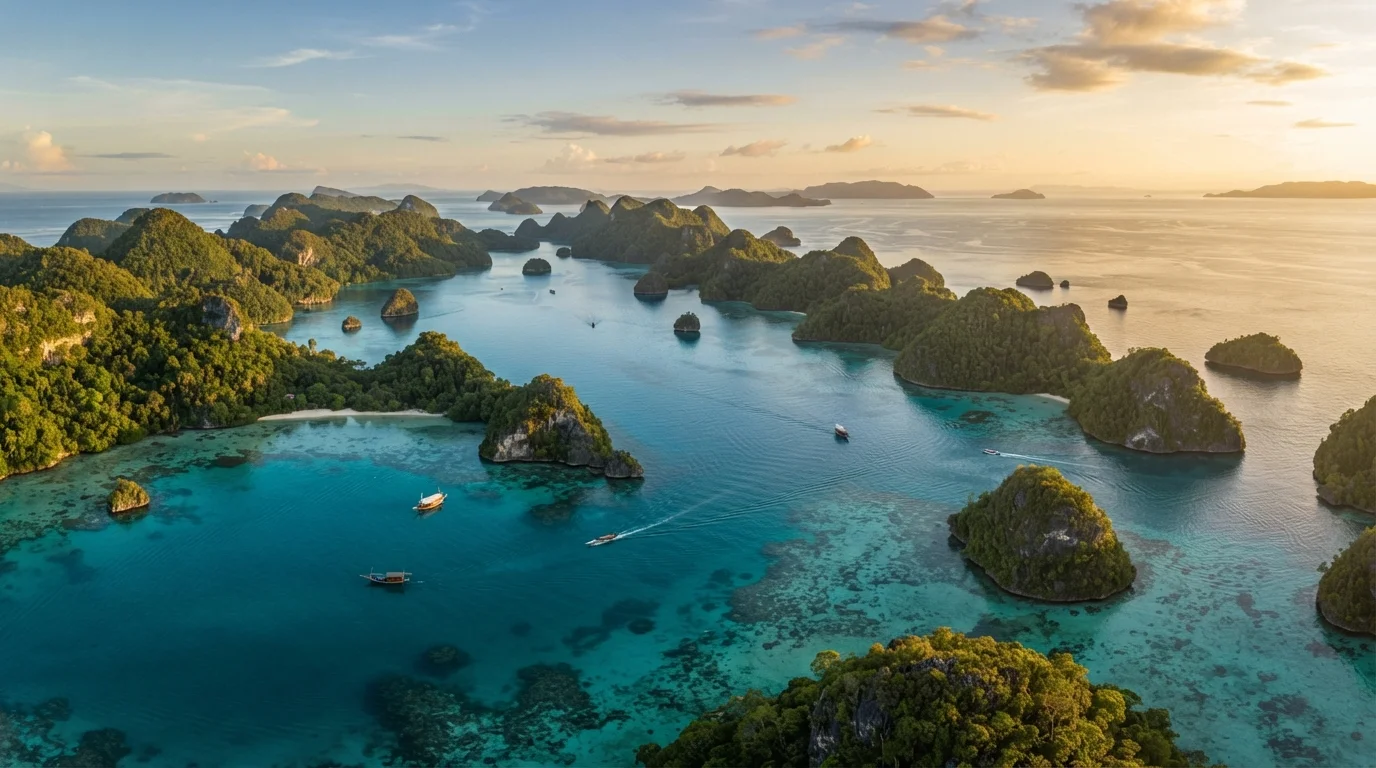
Photo: DockedReads.com | Information Made Easy editorial
Key Takeaways
- Island hopping maximizes variety but introduces logistical complexity and higher transit costs.
- Basing yourself in one place allows deeper cultural immersion and lower day-to-day overhead.
- Trip length, budget, and travel style are the three factors that matter most in this decision.
- Ferry schedules and weather windows significantly affect the viability of multi-island itineraries.
- Neither approach is universally better — the right choice depends on what you want from a trip.
Two Philosophies, One Destination
Standing at the ferry dock in Santorini, a traveler faces a choice that shapes every day that follows: board the next boat to a new island, or put the bag down and stay. It sounds simple, but this decision — island hop or base yourself — reflects deeper questions about what travel is actually for.
Archipelago destinations like Greece, Hawaii, the Philippines, and Croatia's Dalmatian Coast lend themselves to both approaches, yet they reward them very differently. Island hopping is structured around movement: each morning brings a new harbor, a new hotel, a new set of sights. Basing yourself in one place is structured around depth: the same cove every afternoon, the same neighborhood bakery, the same slow accumulation of local knowledge. Neither is the wrong answer, but understanding what each actually delivers — and costs — makes all the difference. See how this decision fits into the broader framework of planning a well-structured trip before committing to either path.
What Island Hopping Actually Involves
Island hopping sounds romantically spontaneous, but in practice it is one of the more logistically demanding styles of travel. Ferry schedules, baggage handling, accommodation check-in windows, and weather delays all multiply with each transit. In many archipelagos, inter-island routes operate seasonally or on limited schedules, meaning a missed boat can unravel an entire itinerary.
The reward for managing that complexity is genuine variety. Hopping through the Greek Cyclades, for instance, you might spend two nights in a whitewashed hilltop village, two more near a volcanic crater lake, and a final stretch on a quieter agricultural island that most visitors skip entirely. That range of experience simply isn't available from a single base. The planning principles for multi-destination trips apply directly here — route logic, pacing, and buffer days matter more than most people anticipate.
| Criterion | Island Hopping | Basing in One Place |
|---|---|---|
| Variety of experience | High — multiple landscapes and cultures | Lower — one island in depth |
| Logistical complexity | High — ferries, transfers, repacking | Low — one base, stable routine |
| Transit cost | Higher — multiple fares and transfers | Lower — minimal inter-island travel |
| Cultural depth | Surface-level on each island | Deep — time to build local familiarity |
| Suitability for short trips | Poor — transit eats available time | Strong — every day is usable |
| Weather risk | Higher — delays can cascade | Lower — one weather window to manage |
| Day-trip flexibility | Limited — already moving between bases | High — hub-and-spoke day trips possible |
Budget considerations are real, too. Multiple ferry tickets, taxi transfers, and separate accommodation bookings accumulate quickly. It's also worth noting that travelers who hop through a region without slowing down sometimes leave with a sense that something was missed — a dynamic explored in depth in this piece on why visitors to Southeast Asia leave feeling like they missed something.
The Case for Staying Put
Basing yourself in one place inverts all of island hopping's trade-offs. The logistics simplify dramatically: one accommodation, one neighborhood to learn, one set of restaurant options to cycle through until you find your favorites. That stability has real value, particularly for travelers who find that the energy spent navigating logistics is energy not spent actually experiencing a place.
What you gain is depth. Returning to the same beach at different tides, noticing the rhythm of a local market across several mornings, striking up a genuine conversation with the owner of a small café on day four — these experiences require time. They don't happen in a two-night stay.
The Day-Trip Middle Ground
Basing yourself also opens up day-trip logic that island hopping doesn't. From a single hub, you can reach nearby smaller islands or villages, sample variety without full transit overhead, and return to your own bed each night. This is a particularly effective strategy in archipelagos with reliable day-ferry connections. If you're weighing structured versus open-ended approaches more broadly, fixed itinerary vs. flexible travel covers the underlying trade-offs in useful detail.
Choosing What Fits Your Trip
The most practical lens is trip length. Under ten days, a single base almost always serves travelers better — the transit overhead of hopping simply consumes too large a share of the available time. Over three weeks, a multi-island arc becomes genuinely rewarding. For the middle range, a hybrid approach often makes sense: spend the bulk of the trip in one place, then budget two or three nights on a contrasting island near the end.
Travel style matters equally. Travelers who find energy in novelty and don't mind repacking every few days tend to thrive while hopping. Those who decompress slowly, or who travel with companions who have varying energy levels, often discover that a stable base produces a happier trip overall. This connects to the broader question of how structured versus flexible planning affects the travel experience.
For international trips specifically, entry logistics, ferry availability, and local transportation infrastructure also shape what's realistic — factors outlined in how domestic and international trip planning differ. Whatever you decide, the goal is arriving at an approach that matches not just where you want to go, but how you actually want to feel while you're there.
The content on this site is for informational purposes only and is not a substitute for professional advice. Always consult a qualified professional for guidance specific to your situation.