
A Practical Orientation to New Zealand for the Curious Traveller

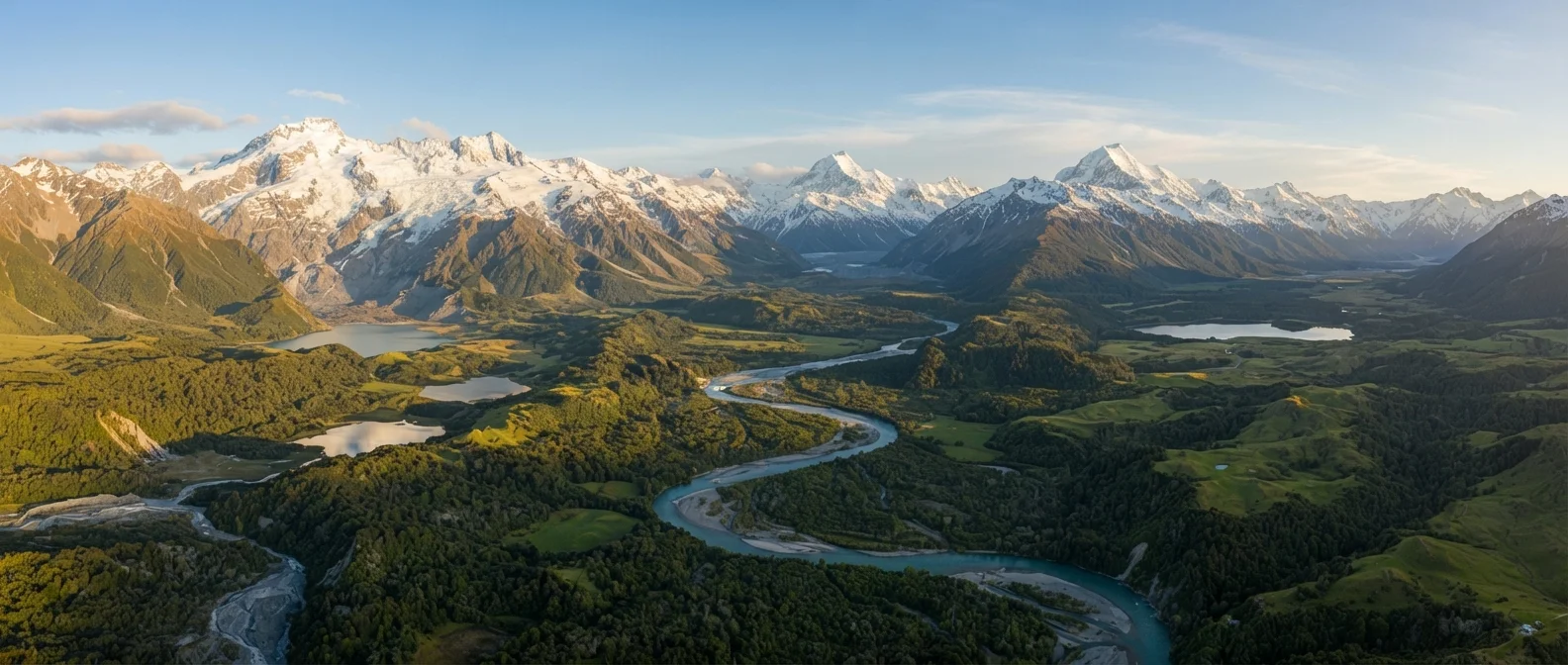
Photo: DockedReads.com | Information Made Easy editorial
Key Takeaways
- New Zealand consists of two main islands with strikingly different personalities and landscapes.
- The country sits in the Southern Hemisphere, meaning its seasons are opposite to those in North America.
- Māori culture is a living, foundational part of New Zealand identity — not a tourist backdrop.
- Distances feel short on a map but long on the road due to winding terrain and ferry crossings.
- New Zealand rewards slow, exploratory travel more than rapid sightseeing itineraries.
The Shape of the Country
New Zealand sits roughly 1,500 miles southeast of Australia in the South Pacific — remote by almost any measure, and shaped by that isolation in profound ways. The country is divided into two main landmasses: the North Island (Te Ika-a-Māui) and the South Island (Te Waipounamu), connected by a ferry crossing through the often-choppy Cook Strait. A third, smaller landmass, Stewart Island, lies off the southern tip of the South Island.
What surprises many first-time visitors is the scale. On a world map, New Zealand looks compact — but its total length spans roughly 1,000 miles from the subtropical north to the subantarctic south. The terrain amplifies this further. Roads wind through mountain passes, skirt coastal cliffs, and rarely run straight for long. What looks like a two-hour drive on a map often takes three or more. Building that understanding into your planning is essential, and worth thinking through before you arrive — the key stages of trip planning are a useful framework to revisit.
Te Ika-a-Māui
The Māori name for New Zealand's North Island, meaning 'the fish of Māui.' Māori names carry cultural and historical significance and are increasingly used alongside or instead of English place names.
Te Waipounamu
The Māori name for the South Island, meaning 'the waters of greenstone.' It reflects the pounamu (greenstone or jade) found in the region, which holds great cultural value for Māori.
Marae
A communal and sacred gathering place central to Māori community life. Visiting a marae involves specific protocols; visitors are typically welcomed formally and expected to follow guidance from their hosts.
Great Walks
A network of nine multi-day backcountry hiking tracks managed by New Zealand's Department of Conservation. They range from coastal trails to alpine routes and are considered among the finest wilderness walks in the world.
Cook Strait
The stretch of water separating New Zealand's North and South Islands. It is crossed by ferry and is known for rough seas due to its unique geography funneling Southern Ocean swells.
Biosecurity
New Zealand's strict border rules that prohibit or restrict the entry of certain foods, plants, and soil to protect the country's unique native ecosystems from invasive species and disease.
Regions Worth Understanding
The North Island holds the majority of the population and urban life. Auckland, the country's largest city, functions as the main international gateway — a sprawling harbor city with a Polynesian cultural energy that reflects New Zealand's Pacific identity. Further south, Wellington serves as the capital: smaller, windier, and widely regarded as the country's cultural and culinary heart.
Beyond the cities, the North Island is defined by geothermal drama. Rotorua sits atop an active volcanic zone where geysers and hot mud pools are everyday features of the landscape. The Tongariro National Park offers some of the most striking volcanic terrain in the world.
The South Island shifts the register entirely. Queenstown has become synonymous with adventure tourism — bungee jumping, skiing, and lake scenery — but the island offers far more than that reputation suggests. The Fiordland region in the southwest, anchored by Milford Sound (Piopiotahi), is one of the most ecologically intact places on Earth. The Canterbury Plains and the city of Christchurch anchor the island's east coast, while the West Coast remains rugged and genuinely remote.
If you're weighing how to distribute time between regions, the logic of multi-destination planning applies well here.
Seasons, Climate, and When to Go
New Zealand's position in the Southern Hemisphere means its seasons run opposite to North America's calendar. December through February is summer — warm, busy, and the most popular time to visit. June through August is winter, with snow on the South Island's mountain ranges and cooler temperatures throughout.
The shoulder seasons of March to May (autumn) and September to November (spring) offer a genuine case for consideration: fewer crowds, softer light, and landscapes that shift dramatically with the seasons. The South Island's beech forests turn gold in autumn; the North Island's temperate zones bloom in spring.
Consider the Shoulder Seasons Seriously
Climate also varies significantly by region. The far north around the Bay of Islands enjoys a subtropical climate year-round. The West Coast of the South Island is one of the wettest places in the country, with rainfall that can arrive unpredictably even in summer. The eastern sides of both islands tend to be drier and sunnier, sitting in the rain shadow of the central ranges.
Culture, People, and Practical Context
New Zealand is a bicultural nation in a formal and constitutional sense. The Treaty of Waitangi, signed in 1840 between the British Crown and many Māori chiefs, is regarded as the country's founding document, and its principles continue to shape law and public life. Māori language (te reo Māori) holds official status, and its presence in place names, signage, and daily greetings is visible and meaningful — not decorative.
For visitors, this context matters. A pōwhiri is not a performance for tourists; a marae (the communal meeting place central to Māori community life) carries protocols that deserve respect. Engaging with Māori cultural experiences with genuine curiosity rather than as spectacle is both more ethical and more rewarding.
Day-to-day practicalities are generally straightforward for US travelers. English is the dominant language of commerce and daily life. The electrical system uses a different plug type and voltage than North America, so adapters are necessary. Driving is on the left. The country has strict biosecurity rules at its borders — undeclared food items, soil, or plant material can result in significant fines, reflecting New Zealand's serious commitment to protecting its unique ecosystems.
Take Biosecurity Rules Seriously
What Kind of Trip Does New Zealand Suit?
New Zealand is not a destination that rewards a rushed, check-every-box approach. The country's greatest rewards — the way morning mist sits in a river valley, the silence of a beech forest, a long conversation with a local over coffee — reveal themselves to travelers who move at a considered pace.
It suits active and outdoor-oriented travelers exceptionally well. The country's network of Great Walks — including the Milford Track, the Routeburn, and the Abel Tasman Coast Track — are among the world's most accessible wilderness experiences. But New Zealand also holds genuine appeal for travelers drawn to food and wine culture, contemporary Māori art, or the kind of quiet coastal beauty that doesn't make it onto most highlight reels.
If you're approaching this as your first major international journey, the groundwork covered in planning a trip abroad for the first time is a solid complement to what you've read here. And if you find yourself drawn to the idea of wild, remote landscapes at the end of the world, it's worth exploring how New Zealand compares to other ambitious destinations — for instance, what Patagonia actually demands of its visitors offers a useful contrast. New Zealand, ultimately, is a destination that tends to exceed expectations — but only if you arrive with a clear-eyed sense of what it actually is.
New Zealand Immigration — Official Entry Information
The official source for visa requirements, the NZeTA, and border entry rules for travelers visiting New Zealand. Always check here rather than relying on secondary sources.
Department of Conservation — Great Walks
New Zealand's Department of Conservation manages the Great Walks booking system and provides trail conditions, safety guidance, and hut information for the country's most celebrated backcountry routes.
US State Department — New Zealand Travel Advisory
The US State Department's country-specific page for New Zealand covers current travel advisories, safety information, and emergency contact details for American travelers abroad.
Frequently Asked Questions
The content on this site is for informational purposes only and is not a substitute for professional advice. Always consult a qualified professional for guidance specific to your situation.