
The Role of Life Stage in Your Pet's Nutritional Needs

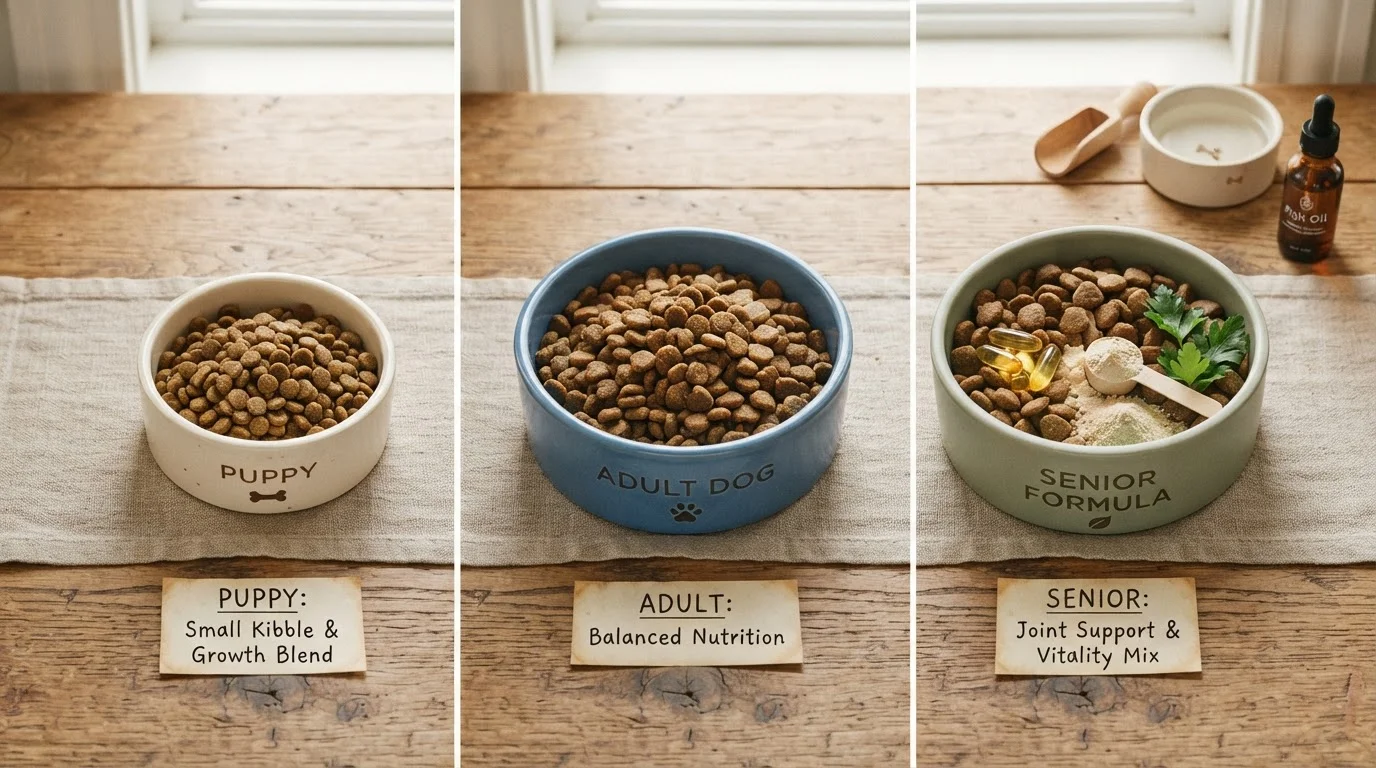
Photo: DockedReads.com | Information Made Easy editorial
Key Takeaways
- Puppies and kittens need higher protein, fat, and calcium than adult pets to support rapid growth.
- Adult pets require balanced maintenance nutrition calibrated to activity level and body condition.
- Senior pets often benefit from adjusted calorie density, increased protein quality, and joint-supportive nutrients.
- AAFCO life stage labeling is a practical starting point when choosing an appropriate pet food.
- Always consult a veterinarian before switching life stage formulas, especially for pets with health conditions.
Why Life Stage Matters More Than You Might Think
Walk down any pet food aisle and you'll see labels like 'puppy,' 'adult,' and 'senior.' These aren't just marketing categories — they reflect genuine differences in how pets' bodies grow, function, and age. Feeding the wrong formula at the wrong stage doesn't produce dramatic, overnight consequences, but it can quietly affect a pet's long-term health.
If you're new to navigating pet nutrition labels, our nutrition primer for new pet owners covers the fundamentals of macronutrients and label reading from the ground up. Life stage is the next layer of understanding to build on that foundation.
~80–90%
Adult body weight at which puppy food transition is typically recommended
Veterinary nutrition guidelines generally suggest transitioning to adult food when a puppy reaches this threshold of their expected adult size, varying by breed.
Age 7
Approximate age most dogs are considered senior
Widely cited in veterinary practice; large and giant breeds may enter senior status earlier due to faster aging trajectories.
2 life stage profiles
AAFCO nutrient profiles used as the basis for pet food labeling in the US
AAFCO defines 'growth and reproduction' and 'adult maintenance' profiles; foods labeled 'all life stages' must meet the more stringent growth standards.
The Growth Stage: Puppies and Kittens
Young animals are building bone, muscle, organ tissue, and neurological pathways at a rapid pace. This demands significantly more energy and specific nutrients than adult maintenance requires.
- Protein: Higher concentrations support muscle and tissue development. Kittens have especially high protein requirements as obligate carnivores.
- Calcium and phosphorus: Critical for skeletal development, but in the right ratio. Excess calcium during growth — particularly in large-breed puppies — can contribute to developmental orthopedic conditions.
- Fat and DHA: Higher fat content delivers the energy density young animals need, while docosahexaenoic acid (DHA) supports brain and eye development.
For large and giant breed puppies, look for foods specifically formulated for large breeds — these moderate calcium and calorie levels to support steadier, healthier bone growth. The timing of the puppy-to-adult transition also matters; the early months of a puppy's life are shaping their development in more ways than one.
Choose Large-Breed Puppy Food When It Applies
Adult Maintenance: Stability and Balance
Once a pet reaches adulthood, the nutritional goal shifts from supporting growth to maintaining a healthy body weight, muscle condition, and organ function. Calorie needs typically decrease compared to the growth stage, and the elevated mineral requirements of puppyhood are no longer appropriate.
Activity level plays a meaningful role here. A working dog or very active cat may need more calorie-dense food, while a neutered indoor cat may be prone to weight gain on the same amount that an active cat thrives on. Body condition scoring — a hands-on assessment of fat coverage and muscle tone — is a more reliable guide than the feeding guidelines on a bag, which are averages.
Adult pets with emerging health conditions like obesity, kidney stress, or food sensitivities may need tailored nutrition. Our overview of diet and common pet health conditions provides useful educational context for those conversations with your vet.
Senior Pets: Adapting to an Aging Body
Aging pets face a different set of challenges. Lean muscle mass tends to decline, metabolism can slow or become less efficient, joints may stiffen, and organ function — particularly kidney and liver — often shifts. Senior nutrition should account for all of these changes rather than simply reducing calories.
Protein and Kidney Disease in Seniors
Key considerations for senior pets include:
- Protein quality: Highly digestible protein helps preserve muscle mass. Blanket protein restriction is not recommended for healthy older pets.
- Calorie density: While many seniors benefit from lower-calorie food to prevent weight gain, some underweight seniors actually need calorie-dense, highly palatable options.
- Joint-supportive nutrients: Glucosamine and omega-3 fatty acids are commonly included in senior formulas. Evidence for their benefit is mixed but generally considered low-risk under veterinary guidance — see our article on supplements in pet diets for a balanced look at the research.
For a broader look at how a senior pet's physical, behavioral, and health needs evolve together, caring for a senior pet covers the full picture.
This article is for general educational purposes only and is not a substitute for professional veterinary advice. Always consult a licensed veterinarian before making changes to your pet's diet, especially if your pet has an existing health condition.
Frequently Asked Questions
The content on this site is for informational purposes only and is not a substitute for professional advice. Always consult a qualified professional for guidance specific to your situation.