
Socializing a Puppy: The Window That Shapes a Dog for Life

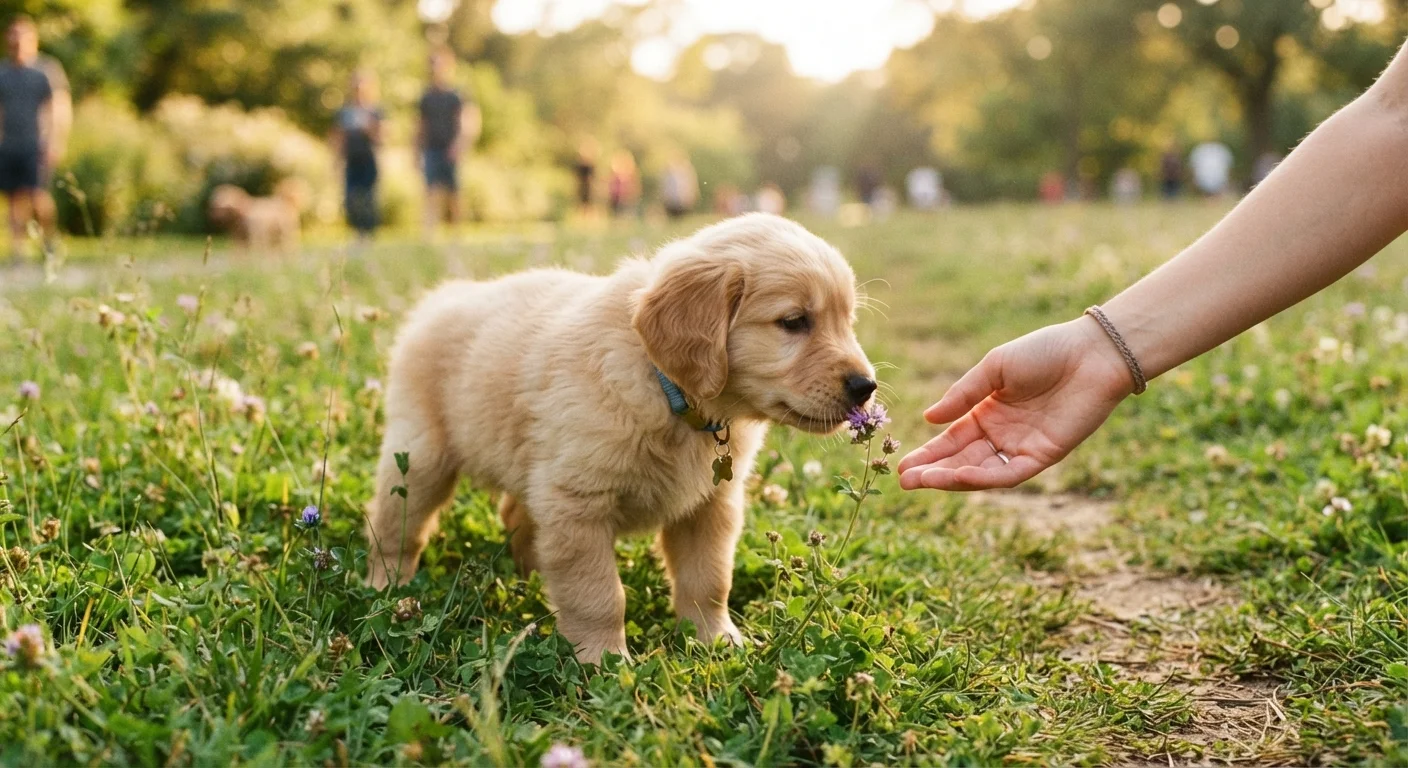
Photo: DockedReads.com | Information Made Easy editorial
Key Takeaways
- The socialization window closes around 12–14 weeks, making early exposure essential.
- Positive, low-stress experiences — not just exposure — are what build lasting confidence.
- Missing this window doesn't make socialization impossible, but it does make it harder.
- Vaccination status requires balancing risk carefully; consult your veterinarian before public outings.
- Socialization should include sounds, surfaces, people of varied appearances, and other animals.
Why This Window Is Unlike Any Other
From around three weeks of age, a puppy's brain enters a phase of accelerated neural development. Sensory systems come fully online, fear responses are initially suppressed, and the puppy is biologically motivated to investigate rather than avoid novelty. This makes the socialization window a rare opportunity: new experiences are absorbed with relatively little stress, and positive associations form quickly and durably.
By the time the window closes — typically around 12 to 14 weeks — the brain's architecture has shifted. Novel stimuli are now more likely to trigger caution or fear rather than curiosity. This isn't a failure of the dog; it's an evolutionary adaptation that once helped ancestral canines survive. But in a world full of strangers, traffic, veterinary offices, and thunderstorms, that shift works against the modern pet owner.
Understanding how dogs actually learn helps explain why early experiences carry such disproportionate weight: associations formed during this sensitive period are deeply embedded and highly resistant to extinction later in life.
3–14 weeks
Primary socialization window in puppies
The American Veterinary Society of Animal Behavior identifies this period as the most critical for shaping long-term behavioral health.
~70%
Of shelter surrenders linked to behavior problems
Behavioral issues, many rooted in inadequate early socialization, are among the leading reasons dogs are relinquished to shelters in the U.S.
7–12 weeks
Optimal window for human-bond formation
Research in canine development suggests puppies form the strongest human-directed social bonds during this narrower sub-period within the broader window.
What Good Socialization Actually Looks Like
Socialization is often misunderstood as simply exposing a puppy to as many things as possible. In practice, quality matters far more than quantity. An experience that overwhelms or frightens a puppy doesn't build resilience — it builds fear. The goal is for the puppy to encounter new stimuli at a pace that keeps it below its stress threshold, pairing novelty with something it already values, such as a small treat or calm praise.
A thorough socialization plan covers several categories:
- People: Adults of different ages, appearances, and movement styles (including people with hats, beards, or mobility aids)
- Animals: Friendly, vaccinated dogs; cats; and other species the puppy is likely to encounter
- Environments: Different flooring surfaces, outdoor terrain, vehicles, and urban sounds
- Handling: Ear checks, paw touches, gentle restraint — critical for veterinary and grooming tolerance
For a broader view of what supports lifelong behavior, see the foundational concepts of effective pet training.
Keep a Socialization Log
When the Window Has Passed: What Owners Can Do
Adopting an older puppy or a rescue dog that missed early socialization is common, and it doesn't mean the situation is hopeless. Behavior is always modifiable to some degree, and many dogs with poor early histories go on to live confident, stable lives with patient, consistent owners.
The key tools are desensitization — gradual, systematic exposure to a feared stimulus from a safe distance — and counter-conditioning — pairing that stimulus with something the dog finds rewarding. Progress is slower than during the socialization window, but it is real and measurable.
It's also worth examining whether any common misconceptions are shaping your approach. Many owners unknowingly use techniques rooted in outdated dominance theory. Behavioral science has revised much of what was once considered standard practice, and reward-based methods consistently outperform punishment-based ones for fear-related behavior.
This article is for general informational and educational purposes only and is not a substitute for professional veterinary or behavioral guidance. If your puppy displays signs of significant fear or aggression, consult a certified veterinary behaviorist or a credentialed animal behavior consultant.
Frequently Asked Questions
The content on this site is for informational purposes only and is not a substitute for professional advice. Always consult a qualified professional for guidance specific to your situation.