
Fixed-Rate vs. Variable-Rate Debt: What Changes and Why It Matters

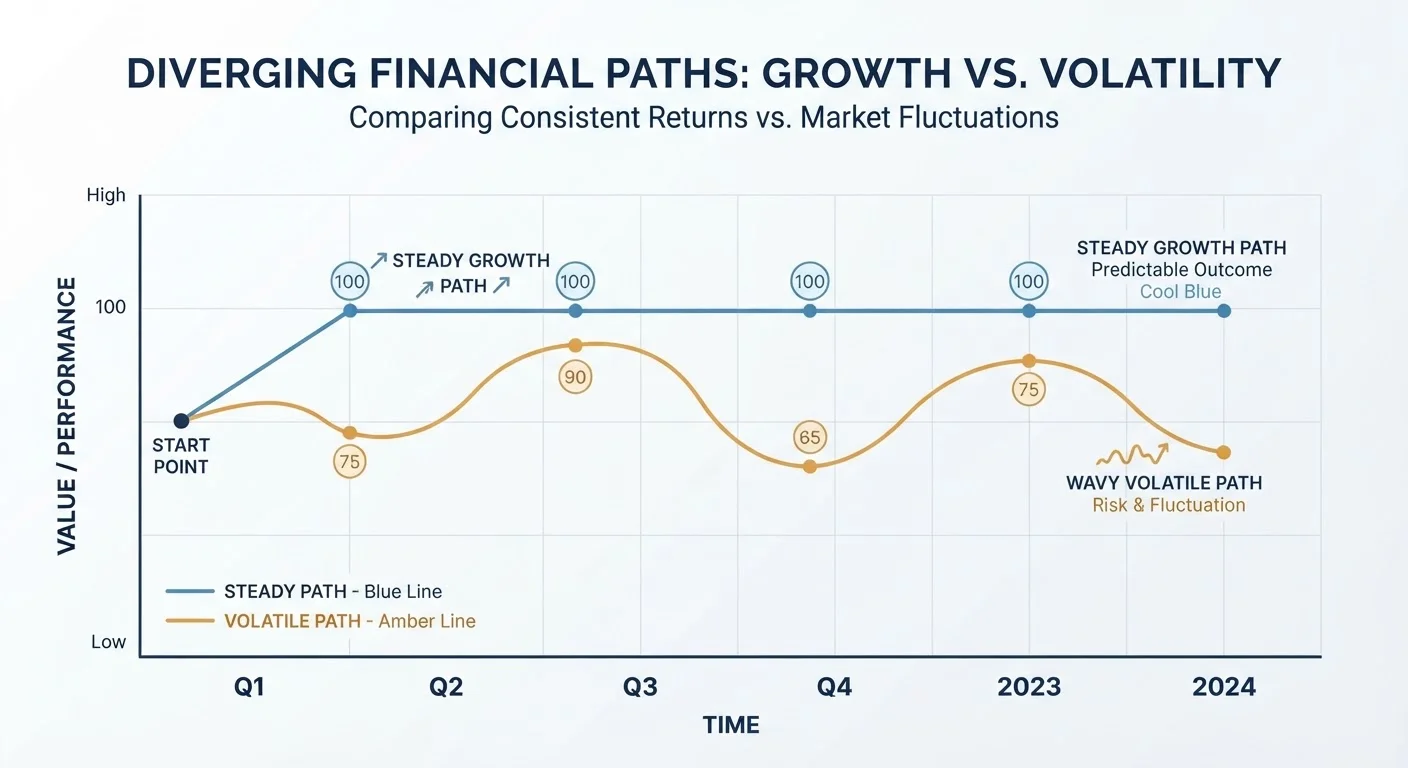
Photo: DockedReads.com | Information Made Easy editorial
Key Takeaways
- Fixed-rate debt locks in one interest rate for the entire loan term, keeping monthly payments consistent.
- Variable-rate debt is tied to a benchmark index, so your rate — and payment — can rise or fall over time.
- Fixed rates typically start slightly higher than variable rates to compensate for the lender's risk.
- Rising interest rate environments increase the cost of variable-rate debt, sometimes significantly.
- Your risk tolerance and repayment timeline should guide which rate structure fits your situation.
- Understanding your rate type is essential before comparing payoff strategies or refinancing options.
What Defines Each Rate Type
When you borrow money, the interest rate structure determines how your cost is calculated over time. With fixed-rate debt, your lender sets one interest rate at origination that does not change for the life of the loan. Your monthly payment stays the same whether you borrowed during a period of high or low market rates. Common examples include most conventional mortgages, many auto loans, and federal student loans.
Variable-rate debt — sometimes called adjustable-rate debt — works differently. The rate is tied to an external benchmark index, such as the prime rate or the Secured Overnight Financing Rate (SOFR), plus a fixed margin set by the lender. When that benchmark moves, your rate adjusts accordingly. Credit cards, home equity lines of credit (HELOCs), and some private student loans commonly carry variable rates.
For a broader look at how these terms fit into everyday financial language, see our everyday savings and debt glossary.
| Criterion | Fixed-Rate Debt | Variable-Rate Debt |
|---|---|---|
| Rate stability | Locked for full loan term | Changes with benchmark index |
| Starting rate level | Typically slightly higher | Typically slightly lower |
| Payment predictability | Consistent every month | Can rise or fall over time |
| Market risk to borrower | None after origination | Increases with rate-hike cycles |
| Common examples | Mortgages, federal student loans | Credit cards, HELOCs, some private loans |
| Best environment for borrower | Low rates at time of borrowing | High rates expected to decline |
How Market Conditions Drive Variable Rates
Variable rates do not move randomly — they follow a published benchmark that central banks and financial markets influence. In the U.S., the Federal Reserve's federal funds rate decisions ripple through consumer lending benchmarks, meaning rate hikes broadly push variable borrowing costs higher, and rate cuts push them lower.
This connection matters practically. A borrower carrying a variable-rate balance during a rising-rate cycle will see their interest charges grow even if they haven't made any new purchases or borrowed more. The compounding effect of rising credit card rates illustrates this well — a rate increase adds cost on top of an already-growing balance if only minimums are paid.
Prime + margin
How most variable credit card rates are set
The U.S. prime rate — which tracks the federal funds rate — is the most common index used to set variable credit card APRs, per the Consumer Financial Protection Bureau.
~0.5–1.5%
Typical initial rate spread: fixed vs. variable
Fixed rates generally start modestly higher than comparable variable rates at origination to compensate lenders for absorbing long-term market risk.
Fixed-rate borrowers, by contrast, are insulated from these benchmark shifts. Their lender absorbed the market risk upfront by offering a somewhat higher starting rate — which is why fixed rates typically begin slightly above variable rates at the time of origination.
Practical Implications for Managing Your Debt
Knowing your rate type changes how you should think about repayment strategy. If you carry variable-rate debt, your payoff timeline directly affects how much market risk you are exposed to — the longer the balance remains, the more rate cycles it passes through. Prioritising high-rate variable balances can reduce that exposure.
Fixed-rate loans, on the other hand, lend themselves to steady, systematic paydown. Because the payment and cost are known in advance, they integrate predictably into a budget. This predictability also makes it easier to pursue simultaneous goals — for example, paying off debt while building savings at the same time is more tractable when you know exactly what the debt is costing you each month.
Your comfort with financial uncertainty also plays a role. The distinction between risk tolerance and risk capacity applies here: you may be emotionally comfortable with a variable rate, but if a sudden rate increase would strain your cash flow, your actual capacity for that risk is limited.
Rate Type Can Affect Refinancing Decisions
Finally, when evaluating any loan — including auto financing options — confirming whether the offered rate is fixed or variable is one of the most fundamental questions to ask before signing. The answer shapes everything from your monthly budget to your total interest cost.
This article is for general informational and educational purposes only and does not constitute personalised financial or legal advice. Consult a qualified financial professional before making decisions specific to your situation.
The content on this site is for informational purposes only and is not a substitute for professional advice. Always consult a qualified professional for guidance specific to your situation.