
Plant-Based Protein vs. Animal Protein: Weighing the Nutritional Trade-Offs

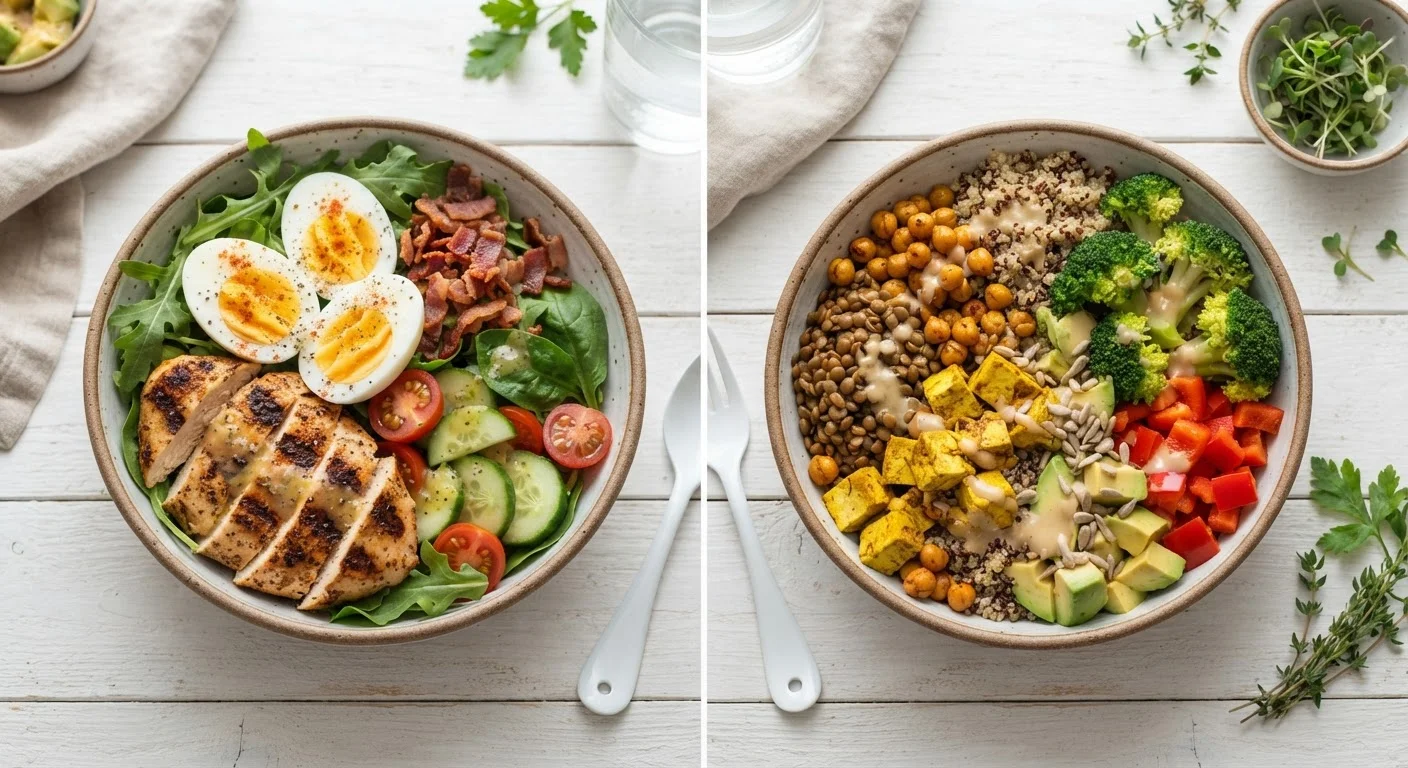
Photo: DockedReads.com | Information Made Easy editorial
Key Takeaways
- Animal proteins are 'complete,' containing all nine essential amino acids in sufficient amounts; most plant proteins are not.
- Bioavailability — how efficiently your body absorbs protein — is generally higher for animal sources than plant sources.
- Combining a variety of plant proteins throughout the day can meet full amino acid needs for most healthy adults.
- Plant proteins often deliver fiber, phytonutrients, and lower saturated fat alongside protein, offering broader dietary benefits.
- Individual health goals, ethics, and medical history all influence which protein balance is appropriate for a given person.
What Sets These Two Protein Categories Apart
Protein is made up of amino acids — twenty in total, nine of which are classified as essential because the human body cannot synthesize them and must obtain them through food. The core distinction between plant and animal proteins comes down to how completely each source delivers those nine essentials.
Animal proteins — including meat, poultry, fish, eggs, and dairy — are described as complete proteins because they contain all nine essential amino acids at levels that meet human needs. Plant proteins (legumes, grains, nuts, seeds, vegetables) are mostly incomplete, meaning one or more essential amino acids is present in limited amounts. Soy and quinoa are notable exceptions, qualifying as complete plant proteins.
This distinction matters, but it does not automatically make animal protein the better nutritional choice. Context — total diet quality, variety, and individual health goals — shapes the full picture. For a broader look at how food quality affects nutritional value, see our guide on whole vs. processed foods.
Bioavailability: How Much Protein Your Body Actually Uses
Eating protein and absorbing protein are two different things. Bioavailability refers to the proportion of ingested protein the body can actually digest, absorb, and use. Nutritionists often use a metric called the DIAAS — developed by the Food and Agriculture Organization — to rank protein quality on this basis.
Animal proteins consistently score high on the DIAAS scale. Whole eggs, dairy, and most meats are rated at or near 1.0 (the maximum), indicating near-complete utilisation. Many plant proteins score below 0.75 due to lower digestibility and the presence of antinutrients — compounds such as phytates and tannins found in legumes and grains that can partially inhibit protein absorption.
Importantly, cooking, soaking, fermenting, and sprouting can significantly reduce antinutrient levels in plant foods, improving the effective protein yield from a meal.
~20%
Protein absorption difference (plant vs. animal)
Research published in the Journal of Nutrition suggests plant protein digestibility can be roughly 10–20% lower than animal protein digestibility, depending on the food and preparation method.
0.8g/kg
Daily protein recommendation for most adults
The U.S. Dietary Reference Intake sets 0.8 grams of protein per kilogram of body weight per day as the minimum for sedentary adults; needs rise with age, activity, and health conditions.
Beyond Protein: The Nutritional Context of Each Source
Proteins don't arrive in isolation — they come packaged with other nutrients that influence overall health. This broader nutritional context is where plant and animal sources diverge most meaningfully.
| Criterion | Animal Protein | Plant Protein | |
|---|---|---|---|
| Amino acid completeness | Complete (all 9 essential AAs) | Usually incomplete; soy/quinoa are exceptions | |
| Bioavailability (DIAAS) | Generally high (≥0.9) | Moderate to high (0.5–0.9, food-dependent) | |
| Saturated fat content | Often higher (esp. red/processed meat) | Generally low | |
| Dietary fiber | Absent | Present in whole food forms | |
| Vitamin B12 | Naturally present | Absent; supplementation required | |
| Heme iron & zinc | Well absorbed, readily available | Non-heme iron; absorption lower | |
| Phytonutrient content | Minimal | Rich and varied |
Plant proteins are typically accompanied by dietary fiber, a wide range of phytonutrients, and — in whole food forms — lower levels of saturated fat. Diets emphasising legumes, whole grains, nuts, and seeds have been associated in large observational studies with lower rates of cardiovascular disease and type 2 diabetes, though diet quality overall plays a significant confounding role in that research.
Animal proteins supply nutrients that are harder to obtain from plants in meaningful amounts: vitamin B12 (essential for nerve function and found almost exclusively in animal foods), heme iron (more readily absorbed than the non-heme iron in plants), zinc, and long-chain omega-3 fatty acids from fatty fish. People following strict plant-based diets are advised by most major dietetics organisations to supplement B12 and consider monitored intake of iron and omega-3s. Always consult a qualified healthcare professional before starting any supplement regimen.
Practical Strategies for Meeting Protein Needs
For those relying primarily on plant proteins, the concept of complementary proteins — pairing foods that together cover all essential amino acids — remains a useful guiding principle. Classic examples include rice and beans, or hummus and whole-grain pita. While you don't need to achieve this combination within a single meal, research suggests that consuming a variety of plant proteins across the day is a reliable approach to meeting full amino acid needs.
Maximise Plant Protein with Simple Pairings
For mixed-diet eaters, the goal is generally less complicated: moderate portions of lean animal protein alongside a generous base of plant foods provides both completeness and the fiber and phytonutrient benefits that plant sources offer. Our article on building a balanced plate offers a practical framework for putting these principles into everyday meals.
This article is for general informational and educational purposes only and does not constitute medical or nutritional advice. Individual protein needs vary based on age, health status, activity level, and other factors. Consult a registered dietitian or qualified healthcare professional for guidance tailored to your personal circumstances.
The content on this site is for informational purposes only and is not a substitute for professional advice. Always consult a qualified professional for guidance specific to your situation.