
Tracking Your Activity: What the Numbers Mean and What They Don't

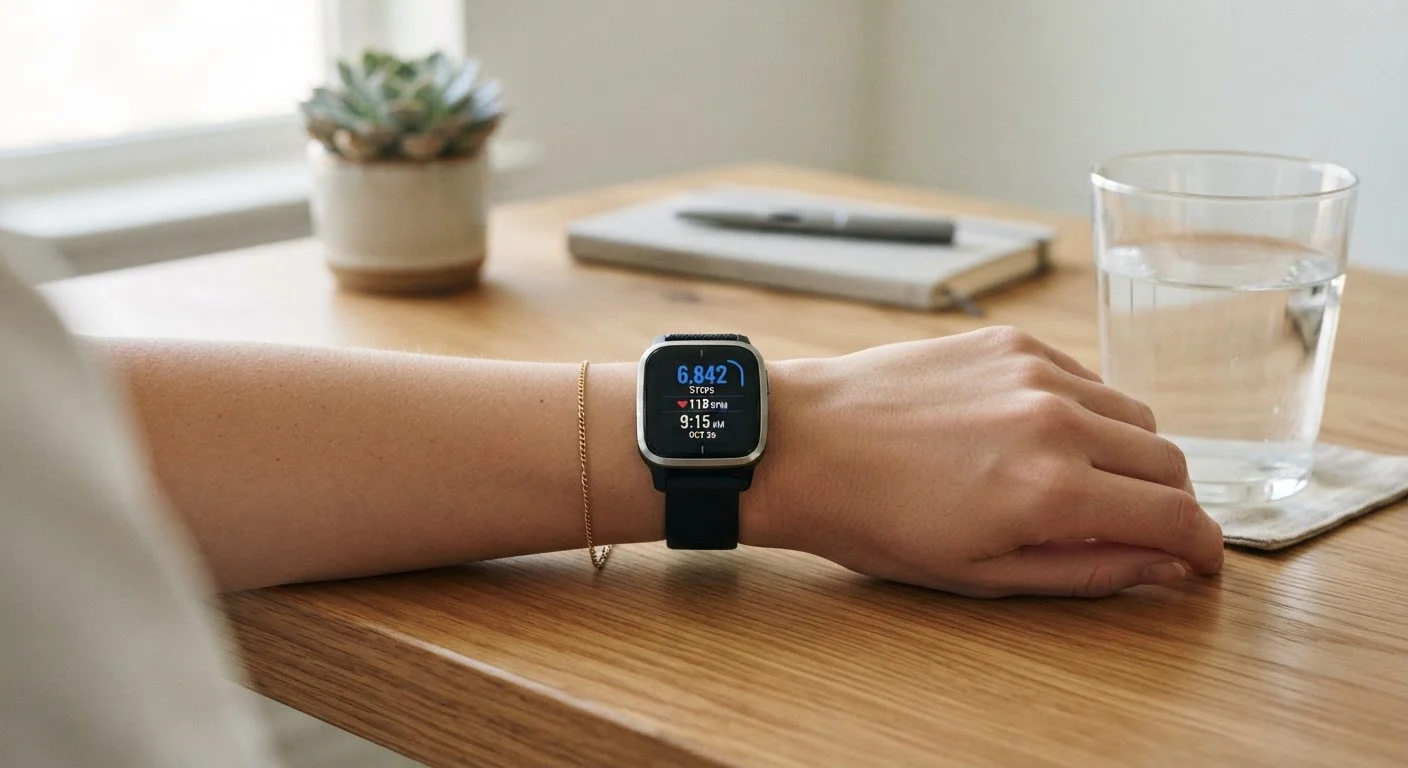
Photo: DockedReads.com | Information Made Easy editorial
Key Takeaways
- Activity tracker metrics are useful estimates, not clinical measurements — treat them as directional guides.
- Step counts and heart rate zones can help build consistent movement habits over time.
- Calorie burn figures from wearables carry significant margin of error and should not drive eating decisions.
- Tracking data can motivate some people and create anxiety in others — your relationship with the numbers matters.
- Consult a healthcare professional before using tracker data to make decisions about a medical condition.
Builds awareness of daily movement patterns
Seeing a concrete step count or active-minutes figure each day helps many people recognize how sedentary their baseline actually is — a first step toward sustainable change.
Provides motivation through visible progress
Streaks, goal rings, and weekly summaries can reinforce positive habits, especially during the early stages of building a routine.
Heart rate data supports smarter effort distribution
Monitoring intensity zones helps exercisers avoid doing every session at the same pace, which supports recovery and reduces burnout over time.
Sleep tracking highlights patterns worth addressing
While not clinical-grade, trends in sleep duration and disruption can prompt useful conversations with a healthcare provider about rest quality.
Passive data collection requires minimal effort
Unlike journaling or manual logs, wearables gather information continuously without requiring the user to remember to record anything.
Calorie estimates carry significant error margins
Studies have found wrist-worn trackers can misestimate energy expenditure by a wide margin, making these figures unreliable as a basis for food or diet decisions.
Can create anxiety or obsessive checking
For some users, constant access to health numbers leads to overchecking, stress when goals aren't met, or an unhealthy preoccupation with hitting arbitrary targets.
Step goals may oversimplify what healthy movement looks like
A round-number daily step target doesn't account for the type, duration, or intensity of movement — a slow 10,000-step shuffle and a brisk 7,000-step walk are not equivalent.
Heart rate accuracy drops during high-intensity movement
Optical wrist sensors are less reliable during rapid arm movements or high-intensity intervals, the very moments when accurate data might matter most.
Data can displace body awareness and intuition
Relying heavily on device feedback may erode a person's ability to read their own signals — such as recognizing genuine fatigue or distinguishing soreness from injury.
What Activity Trackers Actually Measure
Modern fitness wearables — whether a smartwatch, clip-on pedometer, or dedicated fitness band — collect data primarily through an accelerometer (a motion sensor) and, on many devices, an optical heart rate sensor that uses light to detect blood flow through the skin. From this raw input, the device's software estimates steps taken, distance traveled, heart rate, sleep stages, and calories burned.
The key word is estimates. These are algorithms working from indirect signals, not instruments with the precision of clinical equipment. A step count, for example, can be inflated by hand movements while driving or deflated if you're pushing a cart. Heart rate readings during intense exercise are generally less accurate than during rest. Knowing this upfront frees you from treating every number as gospel.
That said, trackers excel at detecting relative change over time. If your resting heart rate trends upward over two weeks during a stressful period, or your average daily steps climb after you start walking to lunch, those directional shifts are meaningful — and that's where the real value lies.
The Pros: Where Tracking Data Genuinely Helps
When used with reasonable expectations, activity data can support real behavior change.
Builds awareness of daily movement patterns
Seeing a concrete step count or active-minutes figure each day helps many people recognize how sedentary their baseline actually is — a first step toward sustainable change.
Provides motivation through visible progress
Streaks, goal rings, and weekly summaries can reinforce positive habits, especially during the early stages of building a routine.
Heart rate data supports smarter effort distribution
Monitoring intensity zones helps exercisers avoid doing every session at the same pace, which supports recovery and reduces burnout over time.
Sleep tracking highlights patterns worth addressing
While not clinical-grade, trends in sleep duration and disruption can prompt useful conversations with a healthcare provider about rest quality.
Passive data collection requires minimal effort
Unlike journaling or manual logs, wearables gather information continuously without requiring the user to remember to record anything.
Heart rate data is one area where trackers add clear utility. Understanding which intensity zone you're working in can help you vary your effort across the week. Our article on Zone 2 cardio explains why lower-intensity, steady effort plays an important role in building endurance — and a tracker can help you stay in that range.
The Cons: Where the Numbers Mislead
The same features that make trackers appealing can backfire if the data is misread or over-relied upon.
Calorie estimates carry significant error margins
Studies have found wrist-worn trackers can misestimate energy expenditure by a wide margin, making these figures unreliable as a basis for food or diet decisions.
Can create anxiety or obsessive checking
For some users, constant access to health numbers leads to overchecking, stress when goals aren't met, or an unhealthy preoccupation with hitting arbitrary targets.
Step goals may oversimplify what healthy movement looks like
A round-number daily step target doesn't account for the type, duration, or intensity of movement — a slow 10,000-step shuffle and a brisk 7,000-step walk are not equivalent.
Heart rate accuracy drops during high-intensity movement
Optical wrist sensors are less reliable during rapid arm movements or high-intensity intervals, the very moments when accurate data might matter most.
Data can displace body awareness and intuition
Relying heavily on device feedback may erode a person's ability to read their own signals — such as recognizing genuine fatigue or distinguishing soreness from injury.
Calorie burn figures deserve particular scrutiny. Research consistently shows that wrist-worn devices can over- or under-estimate energy expenditure by 20–90% depending on activity type and the individual. Using those numbers to justify eating more — or restrict eating — can create a feedback loop disconnected from your body's actual needs. For a grounded look at how energy balance really works, see our piece on energy balance and why it's more complicated than a formula.
When Tracker Data May Warrant a Doctor Visit
Making the Data Work for You
The most sustainable approach treats tracker output as one input among several — not the final word on your health. Here are evidence-aligned ways to get value from the numbers without letting them run your life:
- Focus on trends, not daily totals. A seven-day or monthly average is far more informative than a single day's step count.
- Use heart rate zones as guidance, not rules. If the zone display helps you ease off during a recovery run, that's useful. If hitting a zone becomes a source of stress, dial back the attention you give it.
- Pair movement data with nutrition awareness thoughtfully. Activity tracking pairs naturally with reading food labels — see how to read a nutrition label without getting lost — but avoid using tracker calorie estimates to micromanage your intake.
- Take rest-day data seriously. A rising resting heart rate or declining heart rate variability (HRV) can be meaningful signals that your body needs recovery — not a prompt to exercise harder.
20–90%
Error range in wearable calorie estimates
Multiple independent studies have found wrist-worn fitness trackers can over- or under-estimate energy expenditure by this range depending on activity type and the individual wearer.
~80%
US adults who own or have used a fitness tracker
Consumer survey data consistently shows high adoption rates for wearable fitness devices among US adults, though regular engagement with the data varies widely.
This article provides general health information for educational purposes and is not a substitute for personalized advice from a qualified healthcare professional. If you have a medical condition or are using a tracker to monitor a health concern, consult your doctor.
The content on this site is for informational purposes only and is not a substitute for professional advice. Always consult a qualified professional for guidance specific to your situation.