
Reading a Nutrition Label Without Getting Lost in the Numbers

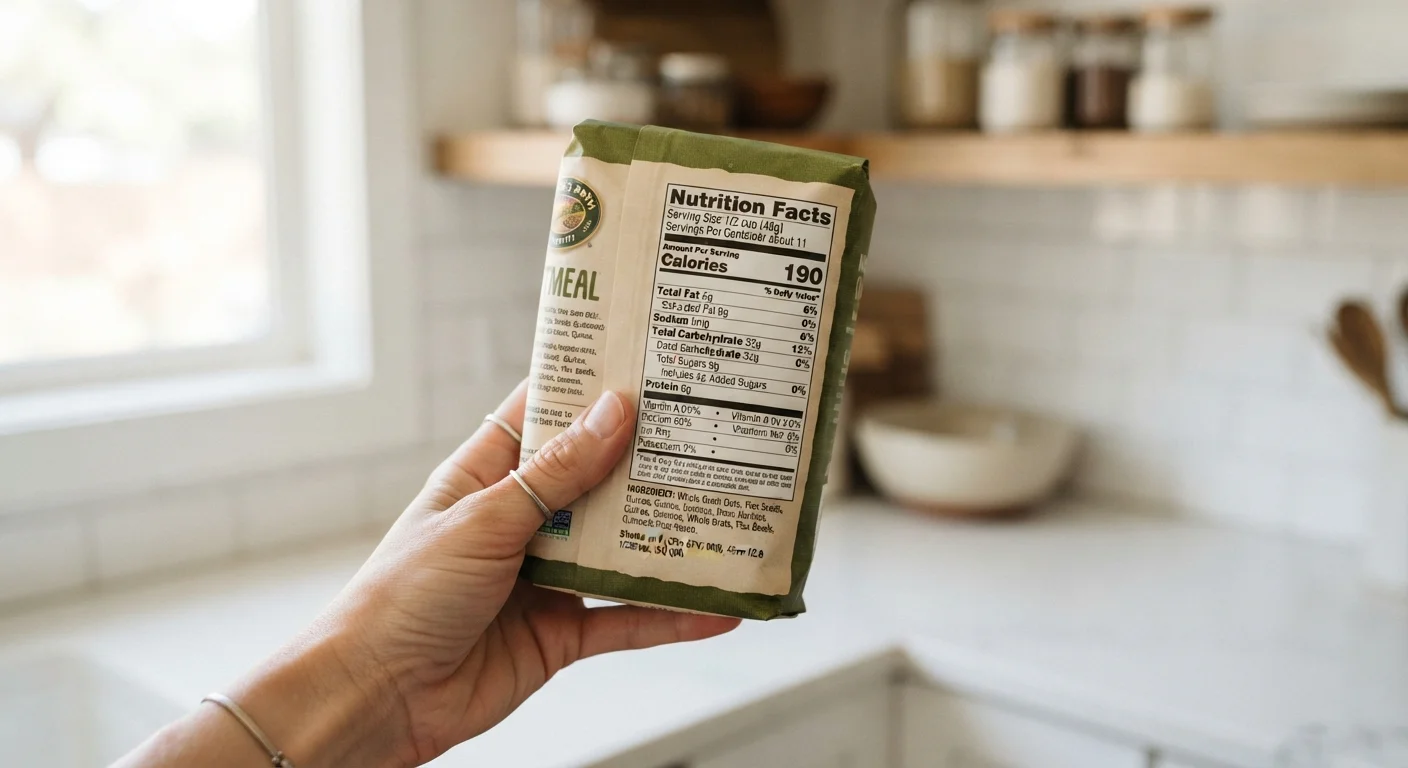
Photo: DockedReads.com | Information Made Easy editorial
Key Takeaways
- Serving size is the foundation of every number on the label — always check it first.
- The % Daily Value column shows how a nutrient fits into a general 2,000-calorie reference diet.
- Added sugars, sodium, and saturated fat are worth watching closely, while fiber and protein are worth seeking.
- Nutrition labels follow FDA-regulated formats, making them a reliable and standardized tool.
- No single food determines the quality of your overall diet — context and patterns matter most.
Why Nutrition Labels Exist and What They're Based On
Nutrition Facts labels in the United States are regulated by the Food and Drug Administration (FDA) and are required on most packaged foods. The current format — updated in 2016 and phased in through 2020 — was redesigned to make key information more prominent and to reflect updated scientific understanding of nutrition and health.
The label is built around a reference intake of 2,000 calories per day, which serves as a common benchmark. This doesn't mean 2,000 calories is the right amount for every person — individual needs vary considerably. But having a shared reference point makes it possible to compare foods on a level playing field.
If you're new to thinking about food and health more broadly, a grounded introduction to nutrition basics can help establish the foundational concepts before you dive into label reading.
Labels Inform — They Don't Diagnose
How to Read the Label Step by Step
The steps below walk through each section of a standard Nutrition Facts panel in the order it appears, from top to bottom. Following this sequence — rather than scanning randomly — prevents the common mistake of fixating on one number while missing the context around it.
What you will need
Nutrition Facts Label
The standardized FDA-regulated panel found on most packaged foods that lists serving size, calorie count, macronutrients, vitamins, and minerals.
Calculator or Smartphone
Useful for quickly multiplying nutrient values when you eat more or fewer servings than listed.
Start with the serving size and servings per container
The very first lines of a Nutrition Facts panel tell you how large one serving is (in recognizable units like cups or pieces, plus grams) and how many servings the package contains. Every single number below — calories, fat, sodium, everything — applies to that one serving only.
If a bag of crackers lists a serving as 15 crackers but you eat 30, every value doubles. This single check prevents the most common misreading of nutrition labels.
Check the calorie count
Calories measure the total energy one serving provides from all macronutrients combined. The calorie count sits in large, bold type just below the serving information — it's designed to be easy to find.
Calories alone don't tell you whether a food is nourishing or not, but they give you a baseline for understanding energy contribution. For deeper context on what calories represent, see how energy balance actually works.
Review the nutrients to limit
The label groups certain nutrients under scrutiny because many Americans consume them in excess. Look for:
- Saturated fat — linked to cardiovascular risk when consumed in high amounts according to established dietary guidelines
- Sodium — excess intake is associated with elevated blood pressure in some individuals
- Added sugars — distinct from naturally occurring sugars (like those in fruit or milk); current guidelines suggest limiting added sugars specifically
- Trans fat — largely phased out but still worth checking; aim for 0g where possible
Identify nutrients to seek out
Below the nutrients to limit, the label lists nutrients that many people don't get enough of. These include dietary fiber, vitamin D, calcium, iron, and potassium. Higher amounts of these in a food are generally a positive signal.
Protein is also listed here. It doesn't carry a % Daily Value, but it's an important macronutrient for satiety and tissue repair. To understand what each macronutrient does, explore how carbs, proteins, and fats work together.
Use the % Daily Value column as a quick guide
The right-hand column expresses each nutrient as a percentage of the recommended daily intake, based on a 2,000-calorie reference diet. This column is your fastest comparison tool when choosing between two similar products.
It's important to note that a 2,000-calorie baseline is a standardized figure — your actual needs may differ based on age, activity level, and health status. The % DV column is a relative guide, not a personal prescription.
Glance at the footnote and ingredient list
A small footnote at the bottom of many labels explains that % Daily Values are based on a 2,000-calorie diet. The ingredient list — found just below or beside the Nutrition Facts panel — is organized by weight, with the most abundant ingredient listed first. If a sweetener or refined grain appears near the top, that's informative context the numbers alone don't always convey.
The 5% and 20% Rule of Thumb
Putting the Numbers in Everyday Context
A single food item rarely determines the quality of your overall diet. What matters more is the pattern of what you eat across meals and days. A food that's high in sodium isn't a problem if the rest of your day is low in sodium; a food with added sugar isn't automatically harmful in the context of an otherwise balanced diet.
Use the label as one input among many — not as a verdict. Comparing two versions of the same product (say, two types of yogurt) is one of the most practical applications: the % DV column makes that comparison fast and objective.
For a broader view of your eating habits without the pressure of tracking every number, a reflective weekly eating audit offers a useful, non-numerical approach. And if you find that nutrition headlines feel contradictory, understanding how dietary guidance is actually formed can help put it all in perspective.
Serving Sizes Are Not Portion Recommendations
This article provides general nutrition education and is not a substitute for personalized medical or dietary advice. If you have specific health conditions or dietary concerns, consult a qualified healthcare professional or registered dietitian.
The content on this site is for informational purposes only and is not a substitute for professional advice. Always consult a qualified professional for guidance specific to your situation.