
Child Car Seat Safety: What the Rules Require and What Research Supports

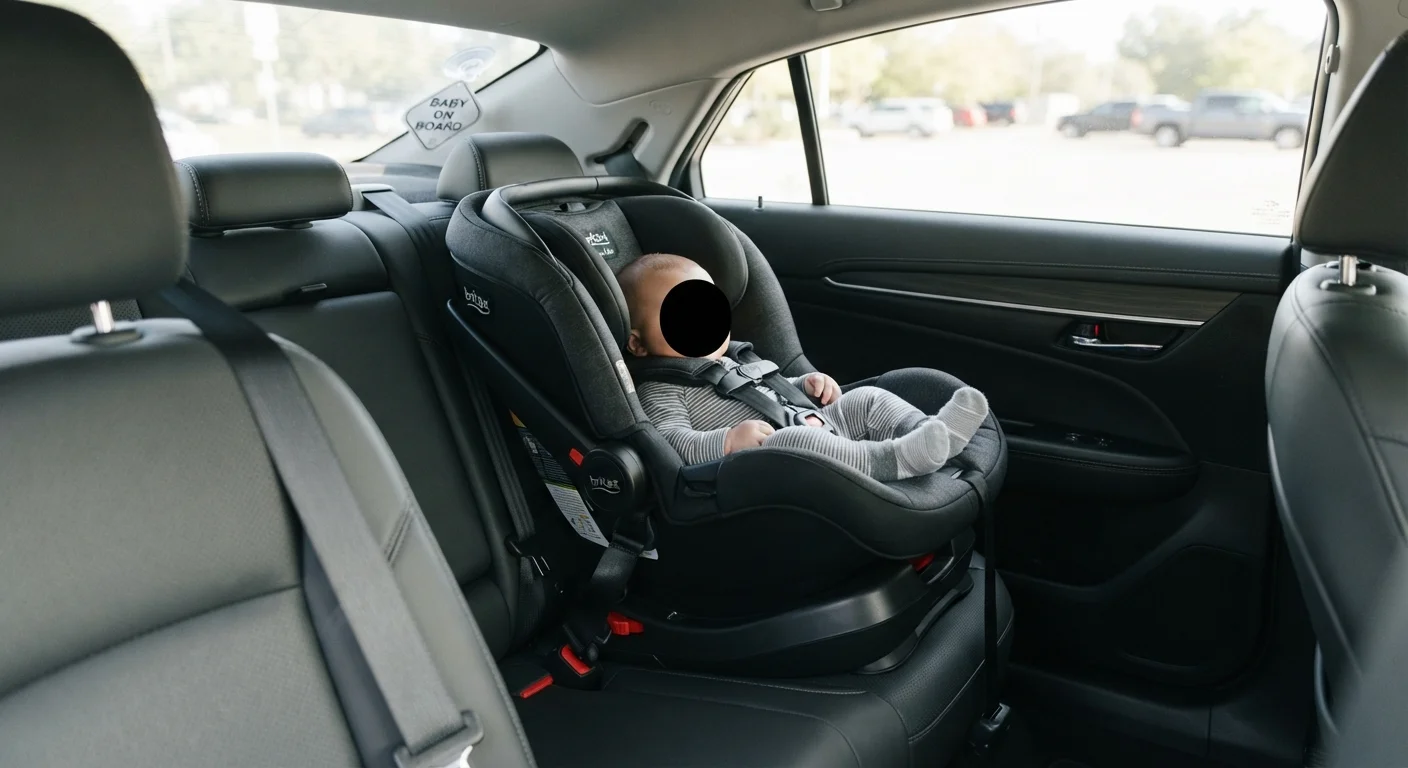
Photo: DockedReads.com | Information Made Easy editorial
Key Takeaways
- All 50 U.S. states require child car seats, but installation errors remain dangerously common.
- Children should remain rear-facing as long as possible, until they exceed the seat's height or weight limit.
- The harness should be snug enough that you cannot pinch excess webbing at the shoulder.
- Car seats expire and must be replaced after any moderate-to-severe crash, even if no damage is visible.
- Free inspection stations staffed by certified technicians can verify your installation is correct.
Why Correct Installation Matters More Than Most Parents Realize
Every state in the U.S. mandates child passenger restraints, yet research from the National Highway Traffic Safety Administration (NHTSA) has consistently found that a significant share of car seats in use are installed or used incorrectly. A misrouted seatbelt path, a harness adjusted for a winter coat, or a chest clip positioned too low can each meaningfully reduce the seat's ability to protect a child in a crash.
The good news: most errors are correctable once you know what to look for. Understanding both what the regulations require and what independent child passenger safety research recommends puts you in a much stronger position than relying on the box or a quick online video alone.
LATCH vs. Seatbelt Installation
Building safer habits around passengers starts with knowing your vehicle's full safety picture. See our guide to building safe road habits for a broader look at protective driving practices.
Core Best Practices for Child Car Seat Safety
The following practices reflect current guidance from child passenger safety experts, the NHTSA, and the American Academy of Pediatrics (AAP). They address the most common and consequential errors seen during seat inspections.
Keep children rear-facing until they reach the seat's maximum height or weight limit
Perform the two-finger harness snugness test every trip
Position the chest clip at armpit level, not at the stomach or neck
Test installation tightness using the one-inch rule at the belt path
Never place a rear-facing seat in front of an active front-seat airbag
Have the installation verified by a certified child passenger safety technician (CPST)
Quick Actions You Can Take Right Now
Even if your child's seat has been in use for some time, a few targeted checks take less than five minutes and can identify the most common hazard points.
~46%
Car seats used with at least one critical misuse
NHTSA observational studies have found roughly half of all child restraints in use have at least one significant installation or usage error.
71%
Reduction in infant crash fatality risk with proper rear-facing use
Research cited by the AAP indicates rear-facing seats can reduce the risk of death in a crash by up to 71% compared with forward-facing for the youngest children.
Regulations, Expiration, and When to Replace a Seat
Car seat regulations in the United States operate at both the federal and state levels. Federal motor vehicle safety standards (FMVSS 213) govern how seats are manufactured and tested. State laws govern minimum age, weight, and positioning requirements — and these vary. Most states now require rear-facing until at least age two, and booster seat use through age eight or until a child fits a vehicle seatbelt properly. Always verify your state's current requirements through your state's department of motor vehicles or highway safety office.
Car seats carry a manufacturer-printed expiration date, typically six to ten years from the date of manufacture. Heat cycling, material fatigue, and evolving safety standards all contribute to why expired seats should not be used. Additionally, NHTSA recommends replacing a seat after any moderate or severe crash — even when damage is not visually apparent, structural integrity may be compromised.
“The best car seat is the one that fits your child, fits your vehicle, and is used correctly every single trip.”
— Benjamin Hoffman, Chair, AAP Council on Injury, Violence, and Poison Prevention
For a broader look at vehicle upkeep responsibilities that are easy to overlook, our annual car ownership checklist covers registration, inspections, and more.
This article provides general educational information about child car seat safety practices and applicable regulations. It is not a substitute for professional inspection by a certified child passenger safety technician or for consulting your state's specific laws. Regulations and recommendations may change; verify current requirements with authoritative sources before making decisions.
The content on this site is for informational purposes only and is not a substitute for professional advice. Always consult a qualified professional for guidance specific to your situation.