
What Happens If You Drive Without Insurance in the US

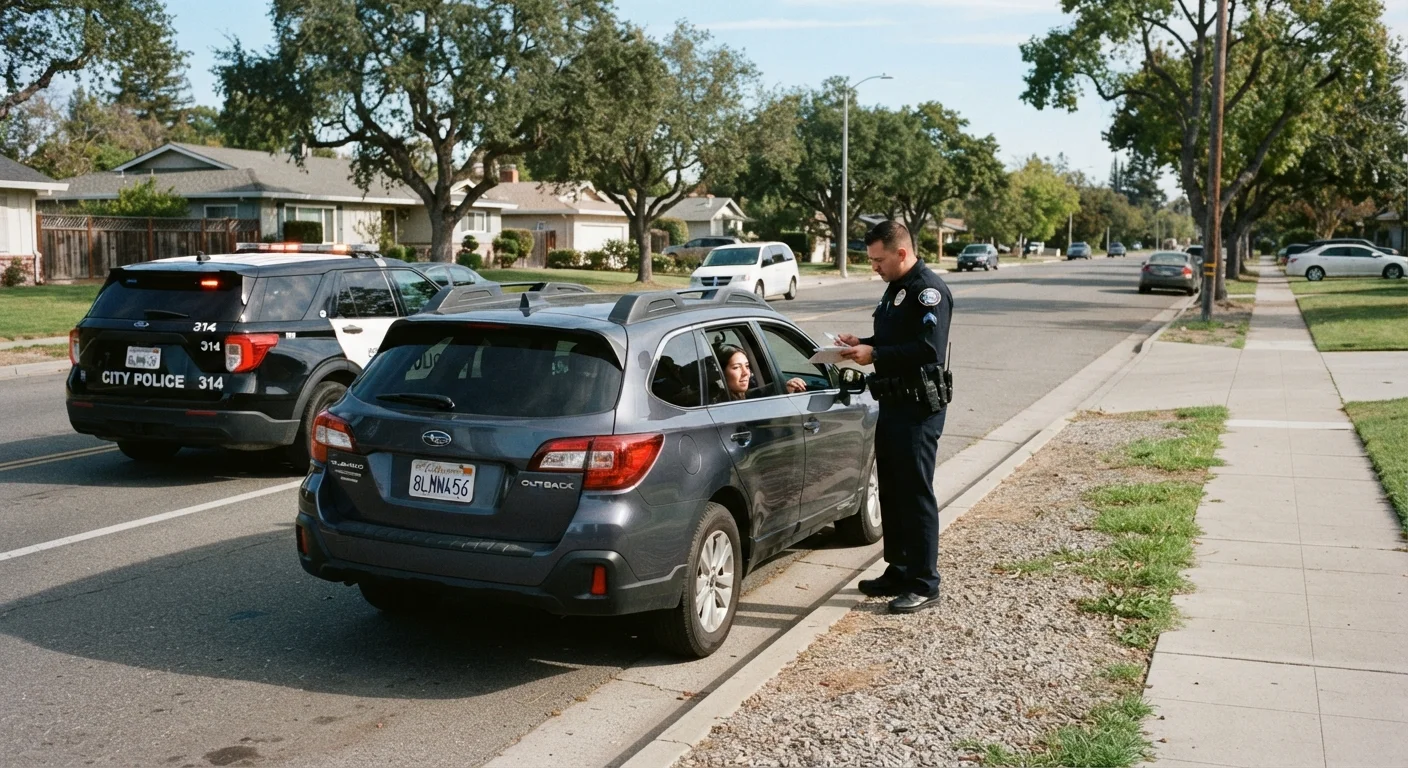
Photo: DockedReads.com | Information Made Easy editorial
Key Takeaways
- Nearly every U.S. state legally requires drivers to carry minimum auto liability insurance.
- Penalties for driving uninsured range from fines to license and registration suspension.
- An uninsured driver who causes an accident can be held personally liable for all damages.
- A lapse in coverage can raise your future insurance premiums significantly.
- Some states operate electronic verification systems that can flag uninsured vehicles automatically.
The Legal Baseline: State Minimum Insurance Requirements
Auto insurance is not optional in most of the United States. The vast majority of states require drivers to carry a minimum level of liability insurance — coverage that pays for injuries and property damage you cause to others in an at-fault accident. Minimums are expressed in split limits (for example, 25/50/25 means $25,000 per person for bodily injury, $50,000 per accident, and $25,000 for property damage) or, less commonly, as a combined single limit.
These minimums exist to protect other road users, not the driver carrying the policy. If you want to understand exactly what each coverage type in your policy actually does, see our breakdown of auto policy sections.
Electronic Verification Is Expanding
Immediate Penalties When You're Caught
If a traffic stop or accident reveals you are driving without insurance, the consequences vary by state but commonly include:
- Fines: First-offense fines typically range from around $100 to over $1,000 depending on the state. Repeat offenses carry steeper penalties.
- License suspension: Most states will suspend your driver's license until you provide proof of insurance and pay a reinstatement fee.
- Registration suspension: Your vehicle's registration may also be suspended or revoked, making the car legally undrivable.
- SR-22 filing requirement: Many states require an SR-22 — a certificate filed by your insurer proving you carry the required coverage — for a set period after an uninsured driving offense.
- Vehicle impoundment: Some states allow officers to impound an uninsured vehicle on the spot.
1 in 8
Drivers on U.S. roads are uninsured
According to the Insurance Research Council, an estimated one in eight U.S. drivers was uninsured as of their most recent analysis.
$500–$1,000+
Typical first-offense fine range
State penalty schedules vary widely; some states set first-offense fines as low as $100 while others exceed $1,000 before surcharges.
1–3 years
Typical SR-22 filing requirement period
Most states that require an SR-22 after an uninsured driving conviction mandate the filing for one to three years of continuous coverage.
The Financial Risk: What Happens After an Accident
Legal penalties are only one part of the picture. The far larger financial risk comes if you cause an accident while uninsured. Without liability coverage, you are personally responsible for all damages — medical bills, vehicle repairs, lost wages, and potential legal fees if the other party sues.
A single serious collision can generate costs well into the hundreds of thousands of dollars. Courts can garnish wages or place liens on property to satisfy a judgment. Even a minor fender-bender can become a significant out-of-pocket expense when there is no insurer absorbing the claim.
Avoid Gaps When Switching Insurers
Long-Term Consequences: Rates, Records, and Reinstatement
The administrative fallout from uninsured driving can persist long after you obtain coverage. A gap in your insurance history — especially one associated with a recorded offense — signals higher risk to insurers. This typically results in elevated premiums when you attempt to get a new policy, sometimes substantially higher than what you would have paid for continuous coverage.
If an SR-22 filing is required, you must maintain it continuously for the required period (often one to three years). Any lapse in that coverage automatically notifies your state's DMV, which can trigger a new suspension. For first-time car owners navigating these requirements, our overview of car ownership essentials covers the administrative groundwork in detail.
If you're weighing coverage levels to avoid future lapses due to cost, our guide on liability versus full coverage can help you understand the trade-offs involved.
This article provides general legal and financial information for educational purposes only. Laws vary significantly by state and change over time. Consult a licensed insurance professional or legal adviser for guidance specific to your situation.
Frequently Asked Questions
The content on this site is for informational purposes only and is not a substitute for professional advice. Always consult a qualified professional for guidance specific to your situation.