
Why Training Sessions Keep Falling Apart

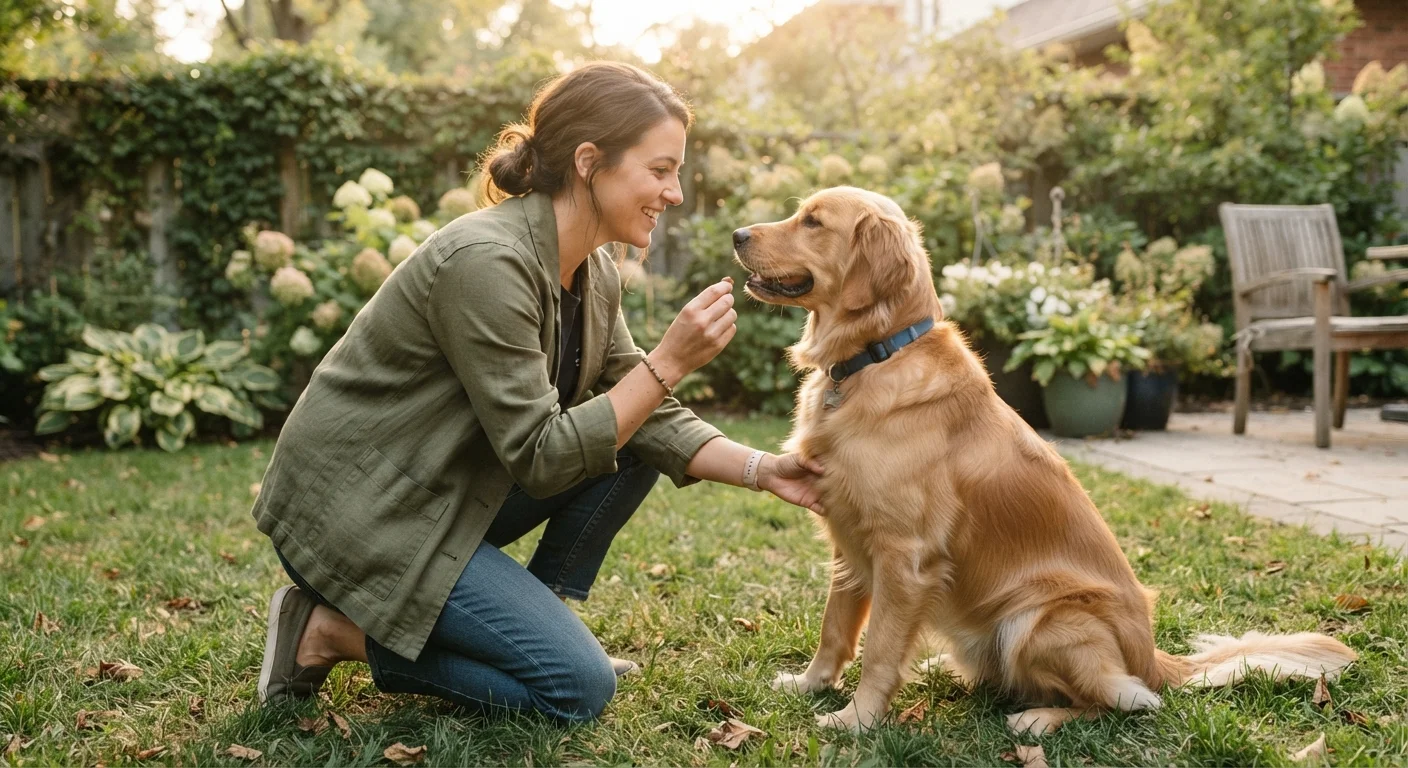
Photo: DockedReads.com | Information Made Easy editorial
Key Takeaways
- Sessions that run too long cause mental fatigue, making dogs disengaged and harder to train effectively.
- Inconsistent cues and timing confuse pets, slowing down learning and eroding trust between owner and animal.
- Ending on a frustrated note — rather than a success — undermines the next session before it starts.
- Training environment, reward value, and owner state of mind all directly affect session outcomes.
The Hidden Structural Problems Behind Unproductive Sessions
Most training sessions don't fall apart because the dog is stubborn or the owner lacks dedication. They fall apart because of small, repeatable structural errors that compound over time. Understanding what's actually going wrong — rather than blaming motivation — is the first step toward real progress.
Behavioral science consistently shows that animals learn best through clear, predictable feedback delivered in short, frequent sessions. When those conditions aren't met, even well-intentioned owners find themselves in a cycle of frustration that feels impossible to break. The good news: most of these errors are correctable once you can spot them.
Running sessions for too long without breaks.
Using inconsistent verbal cues or hand signals across household members.
Delivering rewards too late, breaking the timing window for effective reinforcement.
Using rewards the pet isn't motivated by in that moment.
Ending sessions on a failure or a moment of frustration.
Training in environments with too much distraction for the current skill level.
How to Rebuild Sessions That Actually Work
Fixing broken training sessions isn't about working harder — it's about working smarter and more consistently. Much like the principle explored in low-key habits outperforming intense bursts, short daily training windows outperform long, irregular marathons in animal learning contexts.
Avoid Punishment-Based Corrections During Sessions
Aim for two to four sessions per day, each lasting no more than five minutes for most dogs — less for puppies or animals new to a behavior. Always finish on a behavior your pet knows confidently, so the session ends with reinforcement rather than confusion. Track your cues in a simple notebook or phone note so every person in the household uses the same words and hand signals consistently.
Finally, assess your own state before starting. Dogs read human body language and stress signals with remarkable sensitivity. If you're rushed or irritable, your pet will feel it — and the session will reflect it. A calm, clear owner is one of the most underrated training tools available.
The content on this site is for informational purposes only and is not a substitute for professional advice. Always consult a qualified professional for guidance specific to your situation.