
Getting Started with Litter Training a Rabbit

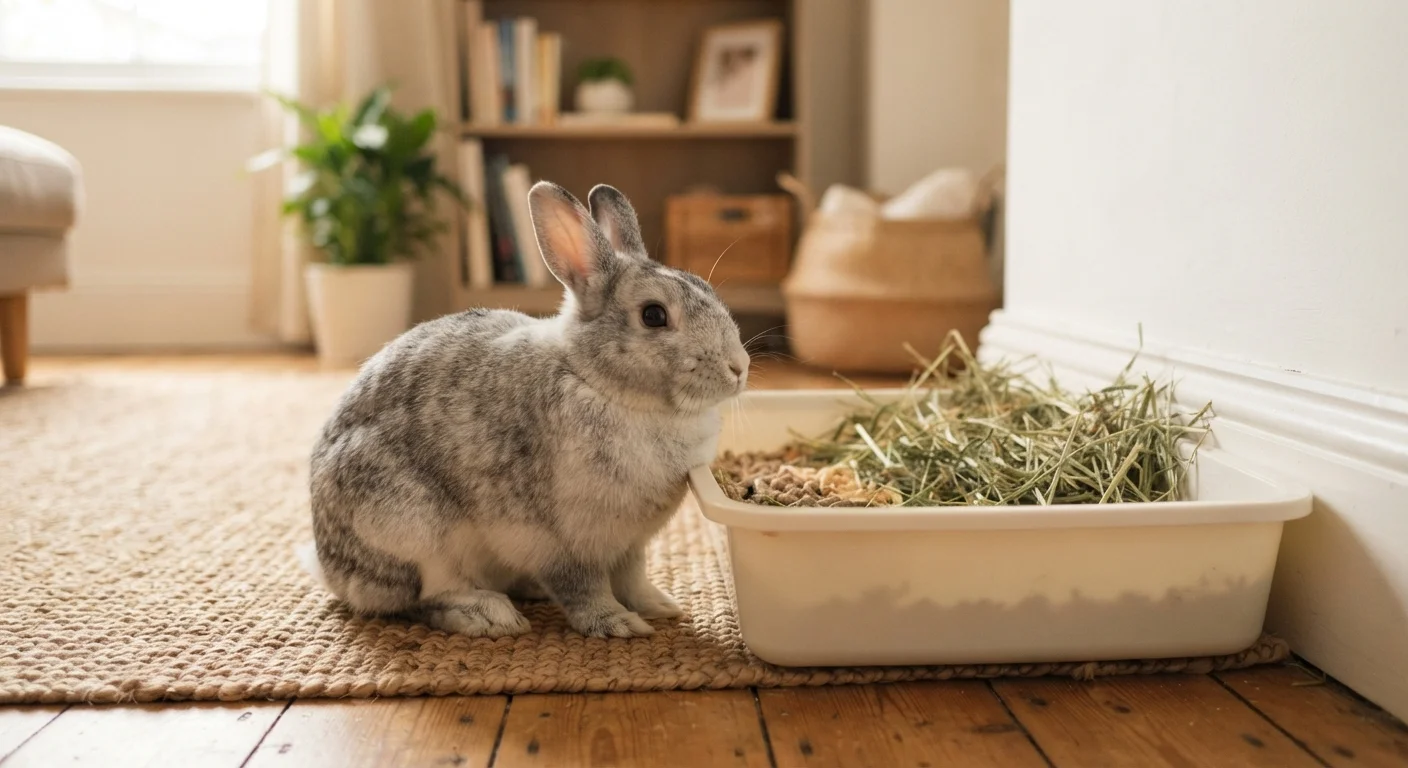
Photo: DockedReads.com | Information Made Easy editorial
Key Takeaways
- Rabbits instinctively choose one or two spots to eliminate, making litter training achievable for most owners.
- Choosing the right litter box size and safe, absorbent litter is critical for success.
- Spaying or neutering significantly improves litter training outcomes by reducing territorial marking.
- Positive reinforcement — never punishment — is the most effective method for training rabbits.
- Consistency and patience during the first few weeks are the strongest predictors of long-term success.
Why Litter Training Works with Rabbits
Rabbits are among the more trainable small mammals kept as pets, largely because of a natural instinct to use consistent elimination sites. In the wild, rabbits establish latrines — fixed spots used repeatedly by members of a group. This territorial, scent-based behavior translates well to the domestic environment and is the biological foundation that makes litter training realistic for most owners.
Hormonal status has a significant impact on how readily a rabbit accepts litter training. Intact (unspayed or unneutered) rabbits are more likely to spray urine and scatter droppings as a form of territorial marking, particularly during adolescence. Spaying or neutering substantially reduces these behaviors and is widely recommended by rabbit veterinary specialists not just for training purposes, but for long-term health reasons. If you are preparing your home before a rabbit arrives, the new pet health and safety checklist is a useful reference for what to prioritize in the early weeks.
What you will need
Setting Up for Success: Equipment and Environment
The physical setup matters as much as the training method itself. A box that is too small, filled with uncomfortable or unsafe material, or placed in a high-traffic, noisy area will undermine even the most consistent training efforts. Rabbits are sensitive to their environment and will avoid spaces that feel exposed or threatening.
Litter Box
Provides a designated elimination area; should be large enough for the rabbit to sit and turn around comfortably.
Rabbit-Safe Litter
Absorbs moisture and controls odor without posing an ingestion risk to your rabbit.
Hay Rack or Hay Pile
Rabbits often eat and eliminate simultaneously; placing hay in or adjacent to the box encourages correct use.
Enzyme-Based Pet Cleaner
Neutralizes urine odor in accident areas so rabbits are not drawn back to the same spot.
Playpen or Exercise Pen
Limits the rabbit's free-roam area initially so training can be reinforced in a controlled space.
Small Treats
Used as positive reinforcement immediately after the rabbit uses the litter box correctly.
Multiple boxes are often necessary in larger homes or multi-level spaces. A general guideline is one box per area where the rabbit spends significant time. Avoid placing boxes directly adjacent to food and water bowls, as rabbits generally prefer to keep those spaces separate.
Troubleshooting Common Setbacks
Even with a solid setup and consistent reinforcement, setbacks happen. The most common reasons litter training stalls include: the box is too small or poorly located, the litter material is uncomfortable or unfamiliar, the rabbit has reached adolescence and hormonal marking has increased, or there is an underlying health issue affecting bladder or bowel control.
Adolescence Is a Normal Hurdle
If your rabbit was previously reliable and then begins having frequent accidents — especially accompanied by changes in urine color, consistency, or the presence of soft cecotropes (the nutrient-rich droppings rabbits consume directly) left uneaten — consult a rabbit-experienced veterinarian. These are potential signs of dietary imbalance or illness, not behavioral problems. For a broader framework on how environment, consistency, and timing influence animal learning, see our guide to foundational training principles.
Choose and set up the right litter box
Select a litter box that is large enough for your rabbit to sit, turn, and move around without feeling cramped. Many owners underestimate size — a standard cat litter tray works well for medium breeds, while larger rabbits may need a storage tote with a cut-out entry. Place a 1–2 inch layer of rabbit-safe litter at the bottom, then add a generous handful of fresh hay on top or in an attached hay rack. The hay is not optional; rabbits naturally graze while eliminating, so the combination strongly encourages proper box use.
Start in a confined space
Begin training in a small, defined area rather than giving your rabbit full run of the home immediately. A playpen or a single room reduces the number of spots where accidents can occur and makes it easier to observe your rabbit's natural habits. Place the litter box in a corner — rabbits prefer corners for elimination. Watch where your rabbit chooses to go naturally, and position the box there if it differs from your original placement.
Redirect accidents using scent
When you observe your rabbit eliminating outside the box, calmly — without startling the animal — place a few of the droppings into the litter box. Urine accidents on flooring should be cleaned immediately with an enzyme-based cleaner to remove odor completely. Avoid ammonia-based cleaners, which smell similar to urine and can draw rabbits back to the same spot. Do not scold or startle your rabbit after an accident — rabbits do not associate punishment with past behavior and stress can set back training significantly.
Reinforce correct box use immediately
The moment your rabbit uses the litter box, offer calm verbal praise and, if your rabbit enjoys treats, a small reward delivered within a few seconds of the behavior. Immediate reinforcement is essential — rabbits have short associative memory windows, so delayed rewards lose their effectiveness. This positive approach aligns with the core reinforcement principles that underpin successful training across species.
Gradually expand roaming space
Once your rabbit is reliably using the box within the initial confined area — typically after one to two weeks of consistent reinforcement — begin slowly expanding access to additional rooms or spaces. Add a second litter box in any new area before allowing unsupervised access. Most rabbits adapt box habits to new spaces without difficulty once the behavior is established in their primary zone.
Maintain the box to sustain good habits
Remove soiled litter and droppings daily, and do a full litter change every two to three days depending on how frequently the box is used. Rabbits are sensitive to cleanliness — a box that is too soiled may be avoided entirely. However, leave a small amount of used litter when doing a full refresh so the scent cues remain recognizable. Keeping the hay supply fresh and abundant is equally important for sustaining consistent box use over time.
The content on this site is for informational purposes only and is not a substitute for professional advice. Always consult a qualified professional for guidance specific to your situation.