
The Difference Between an Emergency Fund and a Savings Account

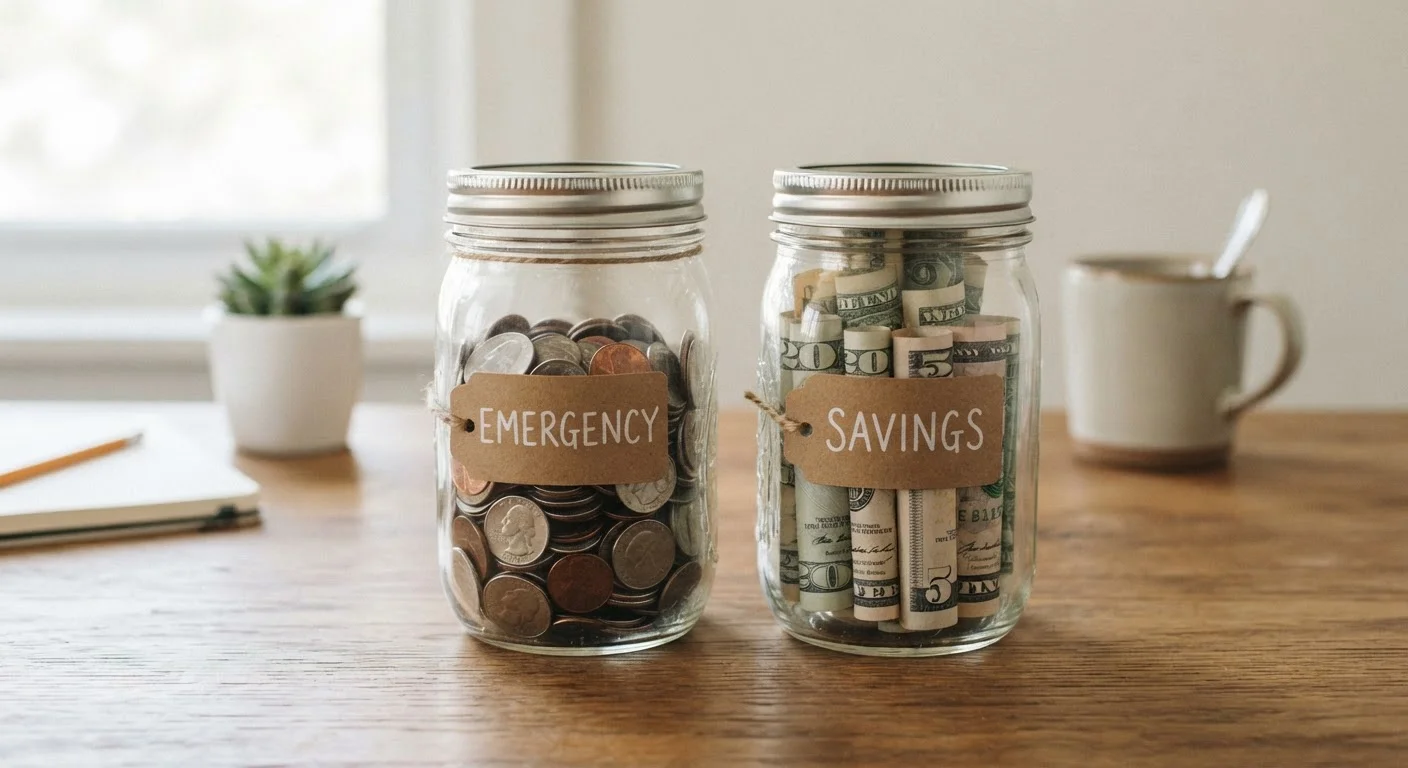
Photo: DockedReads.com | Information Made Easy editorial
Key Takeaways
- An emergency fund is defined by its purpose — covering unplanned financial hardships — not by the account type it lives in.
- A savings account is simply a deposit account; it becomes an emergency fund only when you earmark it for that purpose.
- Most financial educators suggest keeping three to six months of essential expenses in an emergency fund.
- Having both a dedicated emergency reserve and goal-oriented savings helps prevent debt accumulation when life goes sideways.
- Liquid, accessible accounts are best for emergency funds; funds shouldn't be locked up in CDs or investment accounts.
Why the Distinction Matters
People often use "emergency fund" and "savings account" interchangeably, but conflating the two can leave you financially exposed. A savings account is a type of bank account. An emergency fund is a financial strategy — a deliberate reserve earmarked for crises. The account is the container; the emergency fund is what you put in it and why.
Without a clear distinction, savings meant for a vacation or a home down payment can quietly get spent on an unexpected car repair or medical bill. When that happens, you're left either draining your goal-oriented savings or turning to credit cards and loans — which compounds the financial stress of the original emergency.
Understanding both concepts is a foundational step. If you're starting from scratch, building a consistent savings habit is a useful place to begin before deciding how to allocate your funds.
~57%
Americans unable to cover a $1,000 emergency from savings
According to Bankrate's annual emergency savings report, a majority of U.S. adults would struggle to fund a $1,000 unexpected expense without borrowing.
3–6 months
Recommended emergency fund size in essential expenses
This range is a widely referenced benchmark from financial education organizations, though individual needs vary based on income stability and household obligations.
1 in 4
U.S. adults with no emergency savings at all
Federal Reserve surveys have consistently found that a significant share of American households carry no dedicated financial buffer for unexpected expenses.
What an Emergency Fund Is — and Isn't
An emergency fund is a dedicated cash reserve intended to absorb financial shocks without forcing you into debt. Qualifying emergencies generally include:
- Unexpected job loss or reduced income
- Unplanned medical or dental expenses
- Essential home or vehicle repairs
- Urgent travel for a family crisis
What it isn't: a fund for predictable expenses (like annual insurance premiums), discretionary spending, or investment opportunities. That boundary is what gives the fund its protective value.
Most financial educators reference a target of three to six months of essential living expenses. This isn't a universal rule — it's a general benchmark. The right amount depends on your income stability, household size, and existing financial obligations.
Start Small, Then Build Toward the Full Target
What a Savings Account Actually Is
A savings account is a deposit account offered by banks and credit unions that holds cash, typically earns some interest, and is insured by the FDIC (for banks) or NCUA (for credit unions) up to applicable limits. It's a flexible, general-purpose tool.
Savings accounts come in several forms:
- Traditional savings accounts: Low interest, easy access, often linked to a checking account.
- High-yield savings accounts (HYSAs): Higher interest rates, typically offered by online banks.
- Money market accounts: Often higher rates with limited check-writing or debit access.
Any of these can house an emergency fund — but only if you treat it as one. Without intentional earmarking, a savings account is just a place where money accumulates until it's spent.
For context on how savings fits into a broader financial picture, managing savings and debt from start to finish covers the interplay across different financial stages.
How They Work Together
Ideally, you maintain both: a dedicated emergency fund and separate savings working toward specific goals — a car, a home, a trip, or simply a financial cushion beyond emergencies. Keeping these in distinct accounts, even at the same institution, adds a psychological and practical boundary.
Once your emergency fund is established, additional savings can be directed toward medium-term goals or, eventually, toward investing. As noted in our pre-investment checklist, a funded emergency reserve is widely considered a prerequisite before putting money into investment accounts — because without that cushion, a market dip or income disruption could force you to sell investments at a loss.
The relationship between saving in cash and investing for growth is worth understanding too. Investing versus saving in cash explains how time horizon and goals should shape which approach you use for each pool of money.
This article is for informational and educational purposes only and does not constitute personalized financial advice. Consult a qualified financial professional for guidance specific to your situation.
Frequently Asked Questions
The content on this site is for informational purposes only and is not a substitute for professional advice. Always consult a qualified professional for guidance specific to your situation.