
Approaching an Unexpected Windfall When You Have Both Savings Goals and Debt

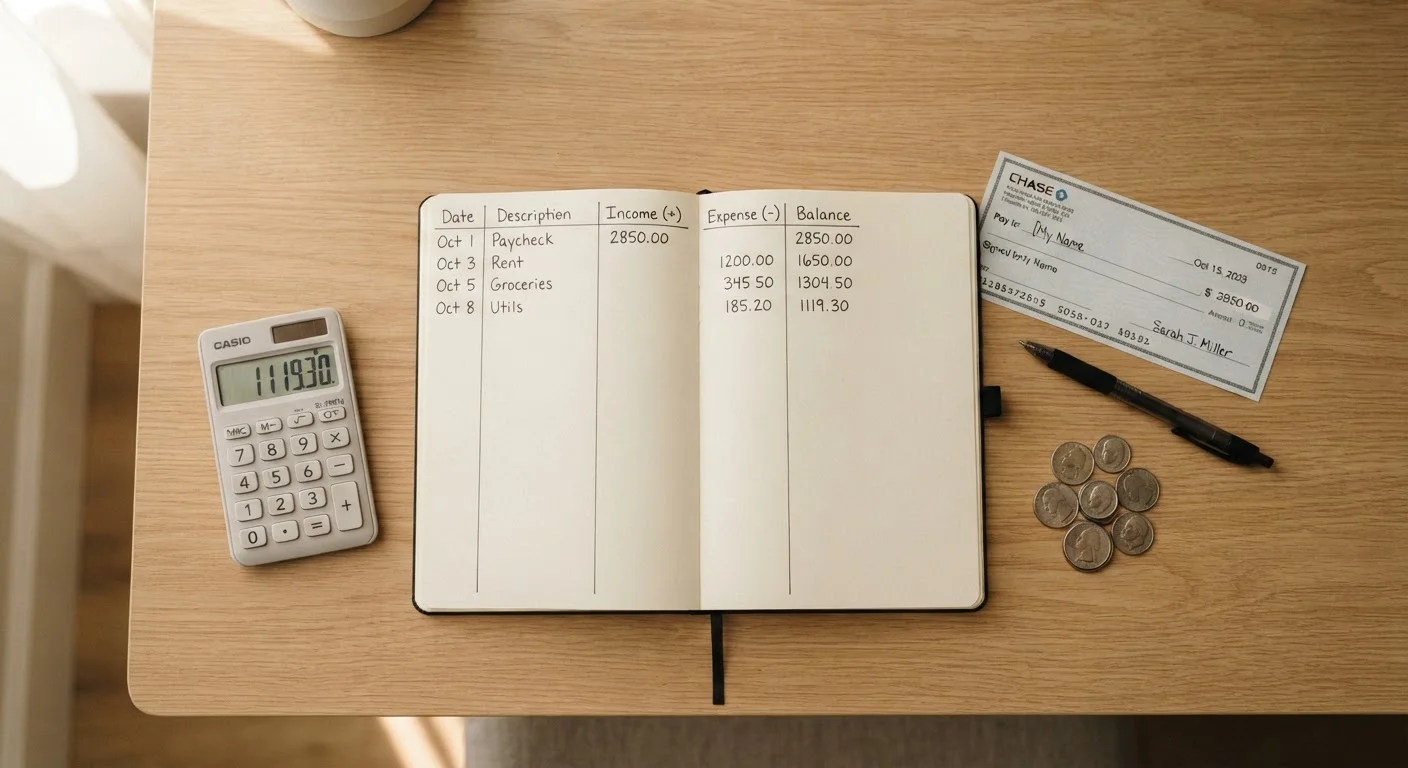
Photo: DockedReads.com | Information Made Easy editorial
Key Takeaways
- High-interest debt typically costs more than savings accounts earn, making payoff a priority in most cases.
- A small emergency buffer should usually be established before aggressively paying down debt.
- Splitting a windfall between debt payoff and savings goals is a legitimate and often practical strategy.
- The right allocation depends on interest rates, your debt type, and your financial stability.
- Consulting a licensed financial adviser can help tailor the decision to your specific circumstances.
Why a Windfall Creates a Real Decision Point
A tax refund, an inheritance, or a year-end bonus can feel like a rare moment of financial breathing room. But if you're carrying debt while also working toward savings goals, the question of what to do with it isn't simple — and the stakes are real.
Most people feel pulled in two directions: eliminating debt offers psychological relief and reduces what you owe in interest, while saving or investing keeps you building toward goals you've been deferring. Neither instinct is wrong. The challenge is making a deliberate choice rather than a reactive one.
This article lays out a structured way to think through the decision. It is general financial information only — not personalised advice. For decisions specific to your situation, consult a qualified financial adviser.
For a broader look at how savings and debt interact over time, see our comprehensive guide to managing savings and debt.
Best Practices for Allocating a Windfall
The practices below reflect widely recognised personal finance principles. They are presented as a starting framework, not a rigid prescription.
Establish or top up a basic emergency fund before anything else.
Compare your debt interest rates against realistic savings or investment returns before splitting the windfall.
Prioritise high-interest, unsecured debt before directing significant funds toward discretionary savings goals.
Consider capturing any available employer retirement match before paying extra on low-interest debt.
Set a deliberate allocation rule before the money arrives or immediately upon receipt.
The Case for Splitting — and When to Weight One Side
A common approach is to divide the windfall rather than commit it entirely in one direction. This can satisfy both the psychological pull toward debt payoff and the practical value of making savings progress simultaneously.
~$3,100
Average U.S. federal tax refund
According to IRS filing season statistics, the average federal income tax refund has consistently hovered around this figure in recent years, representing a meaningful windfall for many households.
20%+
Typical credit card APR in the U.S.
Federal Reserve data has shown average credit card interest rates exceeding 20% APR in recent periods, making high-interest card debt one of the most expensive liabilities a household can carry.
However, the optimal split depends on your numbers. If your debt carries an interest rate significantly above what a savings or investment account is likely to return, paying down debt first is generally the more efficient financial move. If your debt is low-interest — a subsidised student loan, for example — holding some savings may make sense. Our article on when carrying debt alongside savings can be rational explores this nuance in more detail.
Whatever you decide, having even a modest emergency fund in place before aggressively directing money toward debt is widely considered sound practice. Without it, an unexpected expense can push you straight back into borrowing.
Use a Simple Percentage Rule to Decide
Avoiding the Pitfalls That Erode Windfall Decisions
Many people lose the financial benefit of a windfall not through bad intentions but through behavioural patterns that quietly redirect money before a plan is acted on. Lifestyle creep — gradually expanding spending to match new funds — is among the most common. So is delaying the decision indefinitely while the money sits in a checking account.
If you're relying on windfalls to make debt progress, it's also worth building habits that support debt payoff through regular income. Our article on strategies for paying down debt faster without increasing income covers approaches you can apply year-round.
Similarly, if savings goals keep slipping despite good intentions, it may help to examine the patterns at play — our piece on habits that quietly undermine long-term savings identifies what to watch for.
This article is for general informational purposes only and does not constitute personalised financial, tax, or legal advice. Consult a licensed financial adviser or qualified professional before making decisions based on your individual circumstances.
The content on this site is for informational purposes only and is not a substitute for professional advice. Always consult a qualified professional for guidance specific to your situation.